
On the 10th of Muharram, the plains of Karbala witnessed one of the most painful and emotionally remembered sacrifices in Islamic history.
It was a day connected with courage, patience, thirst, sacrifice, and standing for truth despite overwhelming hardship. For centuries, Muslims around the world have remembered Ashura not only as a historical event but also as a reminder of faith, justice, compassion, and service to humanity.
Today, Ashura is observed through:
- fasting
- remembrance
- reflection
- charity
- helping those in need
- and acts of compassion, such as water distribution and Sadaqah Jariyah
In 2026, Ashura is expected around 25–26 June, depending on moon sighting announcements in different countries.
Quick Overview of Ashura
| Topic | Explanation |
| What is Ashura? | 10th day of Muharram |
| Why is Ashura important? | Associated with sacrifice, fasting, and remembrance |
| What happened in Karbala? | Imam Hussain (RA) and his companions were martyred |
| Why is water symbolic? | Karbala involved severe thirst and water hardship |
| How do Muslims observe Ashura? | Fasting, reflection, charity, remembrance |
What Is Ashura in Islam?
Ashura is observed on the 10th day of Muharram, the first month of the Islamic calendar. The word “Ashura” comes from the Arabic word meaning “ten,” referring to the tenth day of Muharram. Ashura holds significance across various Islamic traditions and is associated with several key historical and spiritual events.
Ashura in Sunni Islamic Tradition
In Sunni Islamic tradition, Ashura is connected with Prophet Musa (AS). According to authentic Hadith narrations, Prophet Muhammad ﷺ learned that Prophet Musa (AS) fasted on this day after Allah saved him and the Children of Israel from Pharaoh. The Prophet ﷺ also fasted on Ashura and encouraged Muslims to observe fasting on this day.
Because of this, fasting on Ashura is considered highly recommended in Islam.
Recommended fasting days
Many Islamic scholars recommend:
- Fasting on the 9th and 10th Muharram or fasting on the 10th and 11th Muharram
Ashura in Shia Islamic Tradition
For Shia Muslims, Ashura is deeply connected with the martyrdom of Imam Hussain (RA), the beloved grandson of Prophet Muhammad ﷺ, during the Battle of Karbala. Muharram and Ashura are therefore observed as periods of remembrance, reflection, and honoring sacrifice and steadfast faith.
Muslims around the world may observe Ashura differently, but its significance and historical importance are respected across Islamic traditions.
Important note
What Happened in Karbala on 10 Muharram?
One of the most important events associated with Ashura is the Battle of Karbala. This event took place in 680 CE in present-day Iraq and became one of the defining moments in Islamic history.
Imam Hussain (RA) stood against oppression
Imam Hussain (RA), the grandson of Prophet Muhammad ﷺ, refused to support injustice and oppression during a politically difficult time. He traveled with family members and companions toward Kufa but was stopped in Karbala.
Siege and hardship in Karbala
Historical accounts describe how Imam Hussain (RA), his family, and companions faced extreme hardship during the siege. One of the most painful aspects remembered from Karbala is the restriction of water access. Families, children, and companions suffered severe thirst in the intense desert heat.
Karbala Timeline Overview
| Event | Summary |
| Arrival in Karbala | Imam Hussain (RA) and his companions stopped |
| Water restrictions | Access to water became severely limited |
| Days of hardship | Families and children suffered from thirst |
| 10 Muharram (Ashura) | Imam Hussain (RA) and his companions were martyred |
The Martyrdom of Imam Hussain (RA)
On the 10th of Muharram, Imam Hussain (RA) and many of his companions were martyred. For Muslims around the world, Karbala became a symbol of:
- sacrifice
- patience
- truth
- courage
- standing against oppression
- remaining steadfast in faith
The story of Karbala continues to hold emotional and spiritual significance centuries later.
Why Ashura Still Matters Today
Ashura is not remembered only as a historical event. For many Muslims, it remains a timeless reminder that:
- truth matters
- patience matters
- compassion matters
- justice matters
- helping humanity matters
The lessons of Karbala continue to inspire reflection, worship, charity, and service to others today.
The Lesson of Ashura
Ashura teaches lessons that go beyond history.
- Truth over power: Imam Hussain (RA) is remembered for standing firmly for justice despite hardship.
- Patience during suffering: The events of Karbala reflect perseverance and faith during difficult circumstances.
- Compassion for humanity: The suffering experienced in Karbala reminds many Muslims about the importance of helping vulnerable people.
- Helping the thirsty: The thirst remembered from Karbala later became strongly connected with acts of water charity during Muharram.
Water, Thirst & the Legacy of Karbala
One of the most emotional aspects of the events of Karbala is the suffering from thirst. Historical accounts describe how Imam Hussain (RA), his family, and companions faced severe hardship after access to water was restricted during the siege of Karbala. Families, children, and companions endured intense thirst under the desert heat.
For centuries, this aspect of Karbala has remained deeply connected with compassion, mercy, and helping those in need. Because of this, water later became a powerful symbol during Muharram across many Muslim communities.
Today, many Muslims remember Karbala not only through reflection and remembrance, but also through:
- distributing drinking water
- supporting clean water projects
- helping poor communities
- and giving Sadaqah Jariyah in the form of water charity
Why Water Became Symbolic During Muharram
The tragedy of Karbala also reminds Muslims of the pain of thirst. This emotional connection is one reason why water charity became strongly associated with Muharram in many parts of the Muslim world.
Across different countries, common Muharram charitable activities include:
- Sabeel water stalls
- cold water distribution
- helping travelers
- supporting hand pumps
- Sponsoring clean drinking water access
For many Muslims, giving water during Muharram represents:
- compassion
- service to humanity
- remembrance of suffering
- and an ongoing charity for people in need
Helping the Thirsty in Islam
Providing water is considered one of the most beneficial and impactful forms of charity because it directly supports human life.
Many Islamic scholars and charitable organizations encourage:
- water wells
- hand pumps
- filtration systems
- community water access projects
as forms of long-term charity that continue benefiting people daily. This is why water projects are commonly associated with Sadaqah Jariyah.
What is Sadaqah Jariyah?
Sadaqah Jariyah refers to charity that continues benefiting people over time.
Examples include:
- building water wells
- sponsoring hand pumps
- supporting schools or mosques
- providing long-term community resources
A water project can continue to help families for years, making it one of the most meaningful forms of ongoing charity for many donors.
Water Shortages in Pakistan Today
While Karbala is remembered in history, many communities today still struggle to access clean drinking water.
In rural regions of Pakistan, including:
- Layyah
- Ali Pur Muzaffargarh
- Interior Sindh
- South Punjab
families often face:
- unsafe water sources
- long travel distances for water
- water shortages during summer
- limited clean drinking water access
For many children and families, clean water remains a daily struggle. This is one reason many Muslims choose water charity during Muharram as a practical way to help vulnerable communities.
Water Charity in Muharram – A Living Legacy
For many families, Muharram becomes a time to transform remembrance into meaningful action. Instead of remembering thirst only historically, many people choose to help communities still facing water hardship today.
Organizations such as Muavin Welfare Foundation support long-term clean water and Sadaqah Jariyah projects inspired by the values of compassion, service, and helping humanity.
Their initiatives include:
These projects help provide sustainable access to clean water in underserved communities across Pakistan.
Ways Families Support Water Projects During Muharram
Many people contribute according to their financial ability and intended impact.
Small Contribution Support
Families may participate through:
- family hand pump share models
- group-based water sponsorships
- community fundraising efforts
This creates an accessible way for more people to participate in Sadaqah Jariyah.
Family-Level Water Support
Some donors choose:
- half family pump sponsorships
- complete family hand pump projects
These projects may help individual households gain direct access to clean water.
Community-Level Water Impact
Larger contributions may support:
- community water pumps
- larger-scale water access systems
- village-level clean water solutions
These projects can benefit multiple families and communities together.
Sustainable Water Solutions
Some organizations also support:
- hybrid solar water systems
- Solar-powered hand pumps
- Solar wazu khana projects
These sustainable solutions can provide long-term access to water in areas facing infrastructure challenges.
Why Donors Trust Muavin Welfare Foundation
One of the biggest concerns donors often have is transparency. Many charities ask people to trust that donations reached the right place. However, modern donors increasingly want clear proof and project visibility.
Muavin Welfare Foundation focuses heavily on transparency and donor tracking systems.
Transparency features include
- donor tracking portal
- project progress updates
- image and video verification
- beneficiary details
- exact project locations
- completion proof
- donor dedication nameplates
This structured process helps donors stay informed from donation to project completion.
Structured Water Project Process
Water projects generally follow a step-by-step verification system that may include:
- community survey and location selection
- drilling and installation work
- water testing
- donor verification updates
- final completion documentation
This transparency-focused approach helps build trust and accountability.
Why Ashura Still Matters Today
More than thirteen centuries after Karbala, Ashura continues to hold deep emotional, spiritual, and humanitarian significance for millions of Muslims around the world. For many people, Ashura is not remembered only as a historical tragedy. It is remembered as a timeless lesson about:
- patience during hardship
- sacrifice for truth
- standing against injustice
- compassion for humanity
- and helping vulnerable people
The message of Karbala continues to inspire reflection and action even today.
Ashura as a Reminder of Justice and Truth
One of the strongest lessons associated with Imam Hussain (RA) is the importance of standing for truth despite difficulty. The events of Karbala are often remembered as a symbol of:
- moral courage
- steadfast faith
- sacrifice for principles
- refusing oppression
For many Muslims, Ashura becomes a reminder that faith is not only about words or rituals. It is also about character, justice, honesty, patience, and compassion toward others.
Compassion and Helping Humanity
The suffering remembered from Karbala, especially thirst and hardship, also created a strong connection between Muharram and humanitarian service. This is why many Muslims choose Muharram to:
- support struggling families
- distribute food and water
- sponsor hand pumps
- increase Sadaqah Jariyah
- help poor communities
The values connected with Ashura continue to inspire acts of service and compassion across the Muslim world.
Why Water Charity Became So Meaningful
Water became deeply symbolic because of the suffering remembered during Karbala. Even today, many families continue this legacy by supporting:
- clean drinking water projects
- village hand pumps
- water filtration systems
- community water access initiatives
For many Muslims, helping provide water is viewed as:
- a compassionate act
- a practical humanitarian effort
- and a form of ongoing charity that benefits people daily
This is one reason water projects remain among the most common forms of charity during Muharram.
Real Humanitarian Needs Still Exist Today
While Karbala is remembered historically, millions of people today still face water scarcity and unsafe drinking water.
In many rural areas of Pakistan:
- Women and children travel long distances for water
- Communities rely on unsafe water sources
- Summer heat worsens water shortages
- clean drinking water remains limited
Regions such as:
- Layyah
- Ali Pur Muzaffargarh
- Interior Sindh
- South Punjab
continue facing serious water access challenges.
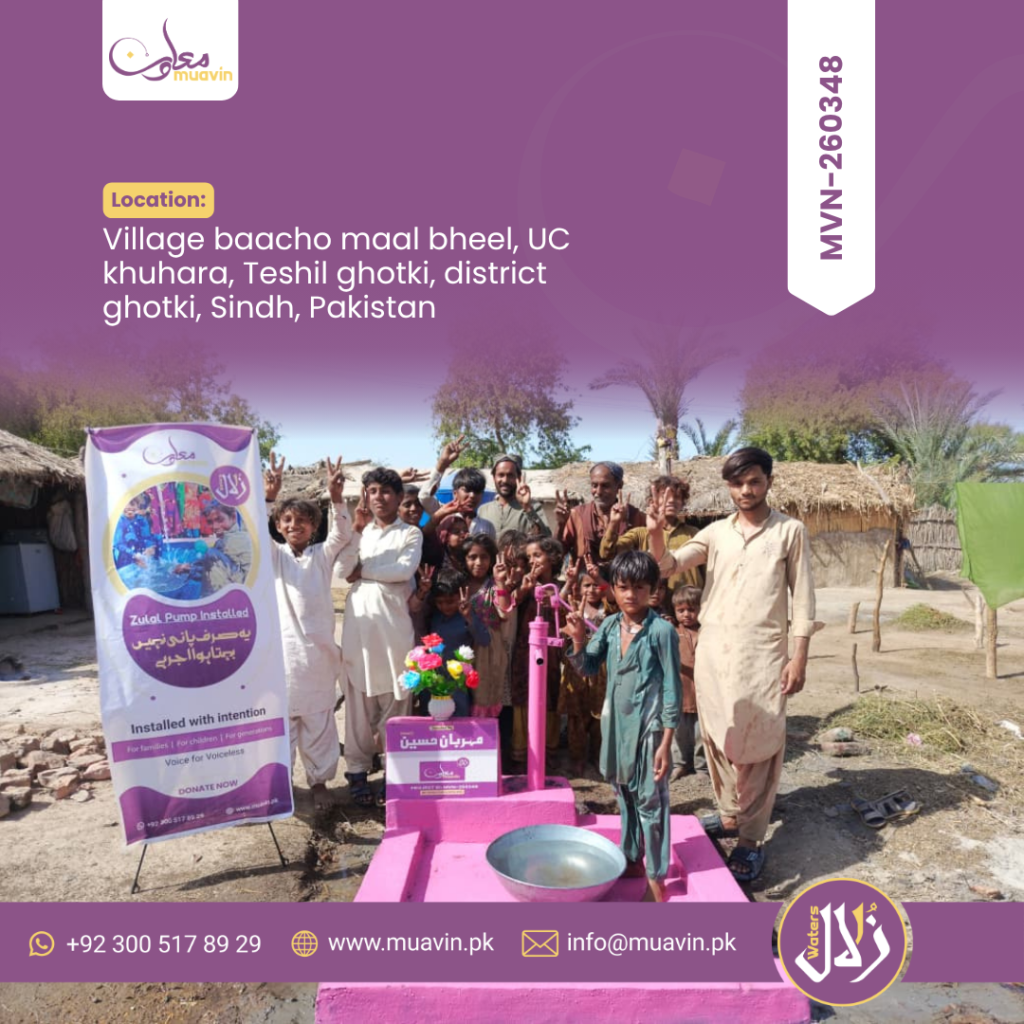
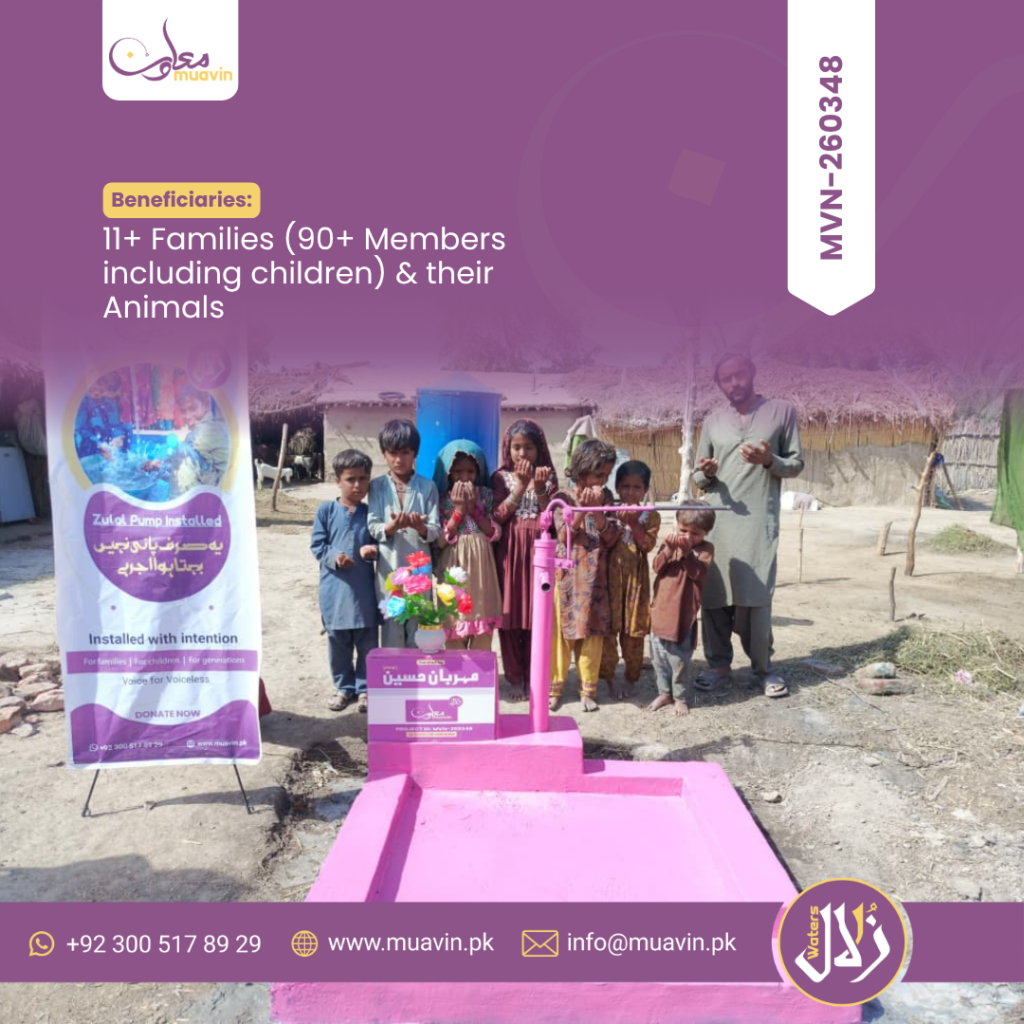
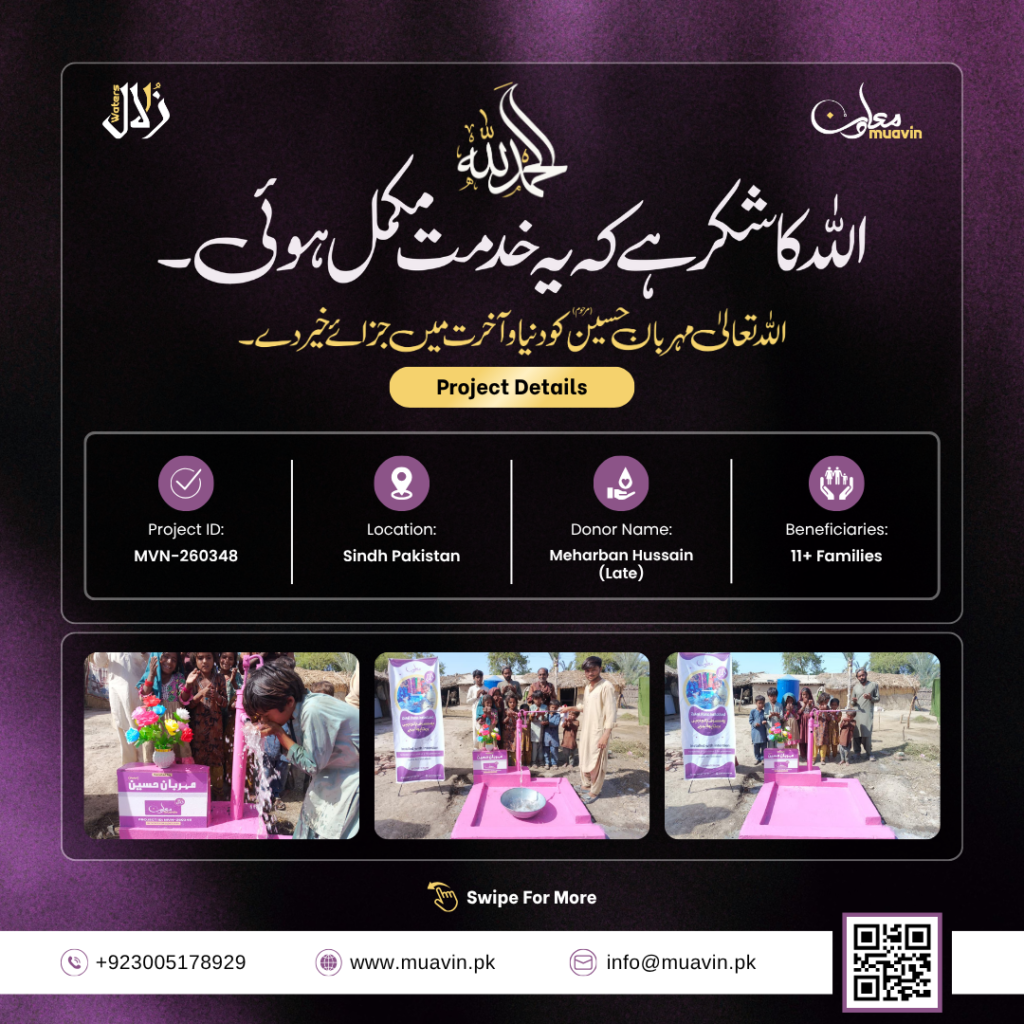
For many Muslims, supporting water projects during Muharram becomes a meaningful way to connect remembrance with real-world humanitarian impact.

Transforming Remembrance Into Action
Many Muslims believe the lessons of Ashura should inspire practical compassion today.
This includes:
- helping the poor
- serving vulnerable communities
- supporting education and healthcare
- and helping provide clean water access
Organizations such as Muavin Welfare Foundation support long-term humanitarian initiatives, including:
These projects help communities gain sustainable access to clean drinking water while reflecting broader Islamic values of compassion and service.
Why Transparency Matters in Charity
Modern donors increasingly want to know:
- where their donations go
- who benefits
- and whether projects are completed properly
This is why transparency has become one of the most important aspects of modern charitable work.
Muavin Welfare Foundation focuses strongly on donor transparency through:
- tracking systems
- project progress updates
- image and video proof
- beneficiary information
- location verification
- donor dedication options
This type of structured verification helps donors remain connected to the humanitarian impact of their contributions.
Ashura and the Spirit of Sadaqah Jariyah
Ashura also encourages reflection on lasting impact. For many families, supporting:
- hand pumps
- community water systems
- Solar water projects
- sustainable clean water access
becomes a meaningful form of Sadaqah Jariyah because the benefit continues for years.
Water projects may continue helping:
- children
- travelers
- families
- entire villages
long after the initial donation.
Final Reflection
Ashura is not only a moment in Islamic history. It remains a reminder of:
- sacrifice
- patience
- justice
- compassion
- helping humanity
- and serving those facing hardship
The events of Karbala continue to inspire millions of Muslims to reflect on how faith should shape character, service, and compassion in everyday life. For many people today, remembering Ashura also means remembering the importance of helping the thirsty, supporting vulnerable communities, and turning reflection into meaningful humanitarian action.
Frequently Asked Questions About Ashura & 10 Muharram
Why is Ashura important in Islam?
Ashura is important because it is associated with major events in Islamic history. For Sunni Muslims, Ashura is connected with Prophet Musa (AS) and fasting on the 10th of Muharram.
For Shia Muslims, Ashura is also associated with the martyrdom of Imam Hussain (RA) during the Battle of Karbala. Ashura remains a day of reflection, remembrance, worship, patience, and compassion across the Muslim world.
What happened in Karbala on 10 Muharram?
The Battle of Karbala took place in 680 CE in present-day Iraq. Imam Hussain (RA), the grandson of Prophet Muhammad ﷺ, and his companions faced severe hardship, thirst, and oppression before being martyred on the 10th of Muharram.
The events of Karbala became a lasting symbol of sacrifice, justice, courage, and steadfast faith.
Why do Muslims fast on Ashura?
Fasting on Ashura is a Sunnah practice encouraged in authentic Hadith narrations. According to Islamic traditions, Prophet Muhammad ﷺ fasted on Ashura after learning that Prophet Musa (AS) fasted on this day in gratitude to Allah.
Many scholars recommend fasting on:
- the 9th and 10th Muharram
- or the 10th and 11th Muharram
What is the story of Imam Hussain (RA)?
Imam Hussain (RA) was the beloved grandson of Prophet Muhammad ﷺ. He is remembered for standing firmly against injustice and refusing oppression during a politically difficult period in Islamic history.
The events of Karbala continue to symbolize:
- sacrifice
- patience
- justice
- truth
- courage under hardship
for millions of Muslims worldwide.
Why is water symbolic during Muharram?
Water became strongly symbolic because of the thirst and suffering remembered during the events of Karbala. Historical accounts describe severe water hardship faced by Imam Hussain (RA), his family, and companions.
Because of this, many Muslims associate Muharram with:
- water distribution
- sabeel stalls
- helping the thirsty
- and supporting clean water projects
as acts of compassion and remembrance.
Why do Muslims donate water in Muharram?
Many Muslims support water charity during Muharram because helping the thirsty is viewed as a compassionate and meaningful act connected with the lessons of Karbala.
Water projects such as:
- hand pumps
- wells
- filtration systems
- community water access
They are commonly supported as forms of Sadaqah Jariyah. Organizations such as Muavin Welfare Foundation also support long-term water access initiatives in underserved communities.
What is Sadaqah Jariyah water charity?
Sadaqah Jariyah refers to an ongoing charity that continues benefiting people over time. Water projects are often considered Sadaqah Jariyah because families and communities may continue using them daily for many years.
Examples include:
- hand pumps
- community water systems
- Solar water projects
- and clean drinking water initiatives
Why do many Muslims support water projects during Muharram?
Muharram encourages reflection on compassion, sacrifice, and helping humanity. Because thirst is such an important part of the Karbala narrative, many families choose Muharram as a time to support:
- clean drinking water access
- hand pump installations
- village water projects
- sustainable water solutions
for vulnerable communities.
How does Muavin Welfare Foundation provide transparency?
Muavin Welfare Foundation focuses strongly on donor transparency through:
- donor tracking systems
- image and video updates
- beneficiary information
- GPS and location verification
- completion proof
- donor nameplate options
This structured process helps donors stay informed from donation to project completion.
You can explore:
Final Reflection
Ashura is not only remembered as a historical event. For millions of Muslims around the world, it remains a powerful reminder of:
- sacrifice for truth
- patience during hardship
- compassion for humanity
- helping vulnerable people
- and standing firmly for justice and faith
The events of Karbala continue to inspire reflection, worship, fasting, charity, and humanitarian service centuries later.
The suffering remembered during Karbala also reminds many people of the importance of helping communities that are still struggling with thirst, poverty, and a lack of basic resources today.
For this reason, many Muslims transform remembrance into action through:
- water charity
- Sadaqah Jariyah
- helping the poor
- and supporting long-term humanitarian projects
Whether through fasting on Ashura, reflecting on the lessons of Karbala, or providing clean drinking water to vulnerable communities, the message of Ashura continues to live through compassion, service, patience, and service to humanity.
Ashura is not only a moment in history. It remains a timeless reminder of sacrifice, truth, compassion, patience, and serving humanity.