
Clean water programs in Pakistan turn local needs into reliable water services. Strong projects combine technical solutions with community engagement, clear management, and ongoing monitoring. Understanding how these programs work and how to assess different approaches helps readers make informed decisions about what is likely to last.
How Programs Work
Clean water programs translate assessments and community needs into durable services. They combine technical interventions (wells, piped systems, filtration), social processes (community engagement, governance), and management systems (operations, monitoring). Understanding the typical workflow helps explain why some projects succeed and others falter.
Needs Assessment
Programs begin with a layered assessment. Rapid community surveys identify who lacks safe water, typical collection times, and seasonal shortages. Technical surveys follow: water quality testing for bacteria, arsenic, fluoride, and salinity; hydrogeological studies to map aquifers and depth to water; and infrastructure mapping to identify existing pipes or wells.
That information is used to prioritize sites based on need, feasibility, and sustainability. For example, an area with shallow, uncontaminated aquifers may be suited to handpump wells, while a village with high arsenic levels may require alternative sources or treatment systems.
Technology Selection
Technology is matched to context. Selection factors include contaminant type, groundwater depth, settlement density, seasonal variability, and local capacity for maintenance.
Common choices include:
- Deep handpumps: Cost-effective where groundwater is uncontaminated, nd the water table is high.
- Deep boreholes with submersible pumps: Used for deeper aquifers or larger village piped systems.
- Small piped distribution networks: Appropriate for clustered settlements that can manage shared infrastructure.
- Point-of-use filtration or chlorination: Used when contamination is intermittent or household-level treatment is more practical.
- Rainwater harvesting: Viable in areas with sufficient seasonal rainfall and limited groundwater.
Design must also account for storage, overflow protection, drainage, and seasonal variations in supply. A poor match between technology and local conditions increases the risk of failure and abandonment.
Implementation Steps
Implementation typically follows a clear sequence to reduce technical and social risks:
- Secure permits and align with local authorities to ensure legal compliance and coordination.
- Procure materials and contractors transparently, favoring local suppliers where possible to support supply chains.
- Prepare the site (access roads, platforms, fencing) and carry out civil works such as borehole drilling or pipe trenching.
- Install equipment (pumps, tanks, filters) and conduct commissioning tests to verify yield and water quality.
- Provide hands-on training for local operators and form governance bodies (water committees) before handing over operations.
Careful supervision and staged testing during implementation can catch design flaws early. For example, if a newly drilled borehole shows low yield during pumping tests, designers may adjust the installed screen length or add a supplementary source.
Operation And Maintenance
Sustained services depend on predictable operation and maintenance (O&M). Effective O&M combines technical routines with local management arrangements.
Key elements include:
- Defined roles: Trained operator, committee chair, and a technical contact for complex repairs.
- Maintenance schedules: Routine inspections, lubrication of moving parts, and seasonal checks.
- Spare parts availability: Locally stocked items (valves, diaphragms, seals) reduce downtime.
- Simple record-keeping: Date-stamped logs for repairs, water quality results, and fee collections.
- Training and refresher courses: Practical instruction on common repairs to support local self-reliance.
Example: a handpump system in which a local caretaker can replace a worn seal within a day helps prevent long outages and avoid expensive external repairs.
Monitoring And Evaluation
Monitoring and evaluation (M&E) connect implementation to long-term performance. A practical M&E system tracks indicators, prompts responses, and supports ongoing improvement.
Core monitoring components include:
- Service indicators: functionality rate (percentage of time the system is operational), hours of supply per day, and distance to the water point.
- Water quality indicators: periodic bacteriological tests, arsenic and fluoride checks where relevant.
- Financial indicators: collections for O&M, reserve balances for major repairs.
- Social indicators: user satisfaction and equitable access across households and gender groups.
Programs can use findings to adjust operations. For instance, rising contamination levels in a source may trigger a switch to a treated alternative or the installation of point-of-use systems. Regular data reviews with community and technical staff help build shared responsibility and practical responses.
Evaluating Water Approaches
Choosing the right water-access approach requires balancing immediate need, long-term reliability, community capacity, and environmental constraints. Below are practical criteria and how common options measure up in settings with seasonal rainfall, variable groundwater quality, and limited local maintenance capacity.
Technology And Infrastructure
Assess the physical solution against local hydrogeology and infrastructure. Options include drilled boreholes with hand pumps, solar-powered submersible pumps, rainwater harvesting systems, and household point-of-use filtration.
- Boreholes with community pumps: Durable where groundwater is accessible and aquifers are stable. Installation is capital-intensive but can supply many households. Consider groundwater quality testing for fluoride, arsenic, or salinity before committing.
- Solar-powered pumps: Suitable for larger, year-round supply where grid power is unreliable. Higher upfront cost and technical complexity; requires a plan for electrical maintenance and panel security.
- Rainwater harvesting: Low-tech and accepted in many places with defined rainy seasons. Best as a complementary source, including storage and treatment, is essential to reduce contamination risks.
- Point-of-use filters: Rapidly deployable and effective for safer drinking water when source quality is uncertain. Depend on behavior change and periodic filter replacement.
Governance And Management
Sustainable services depend heavily on governance. Evaluate models for local management and clear responsibilities.
- Community-managed systems: local committees can handle user fees, routine maintenance, and conflict resolution. Success depends on transparent financial practices and regular training.
- Utility or municipal partnerships: Useful in urban or peri-urban contexts where existing institutions can integrate new sources into broader networks.
- Community operation with municipal technical support can combine local ownership with professional maintenance capacity.
Costs And Scalability
Compare up-front capital, ongoing operating costs, and funding pathways.
- Capital vs. recurrent costs: Some interventions (for example, boreholes) require high initial investment but lower routine costs; others (filters) have modest initial costs but require recurring replacement.
- Funding mixes: Grants can cover construction; small user fees or local contributions can sustain operations. For scalability, favor models that generate predictable revenue or that can be absorbed into local budgets.
- Cost transparency: Look for clear budget breakdowns showing hardware, labor, training, and monitoring line items.
Local Fit And Logistics
A technically sound solution can still fail if it does not fit local conditions or customs.
- Environmental considerations: In arid regions, groundwater extraction should be assessed against recharge rates. In flood-prone areas, elevated tanks and protected storage are necessary.
- Cultural relevance: Some communities prefer household-level access; others accept communal points. Respect local water-use practices and gender norms when locating service points.
- Logistics: Remote sites require supply chains for spare parts and trained technicians. Consider road access and seasonal transport limits.
Transparency And Accountability
Long-term impact depends on consistent monitoring and clear reporting.
- Functionality metrics: Track uptime, repair response time, and water quality results. A steady functionality rate above 80% typically indicates good maintenance.
- Financial transparency: Regularly published reports on maintenance funds, expenditures, and contributions build trust.
- Beneficiary feedback: Structured channels for community input, such as suggestion boxes, periodic meetings, or mobile reporting, help identify problems early.
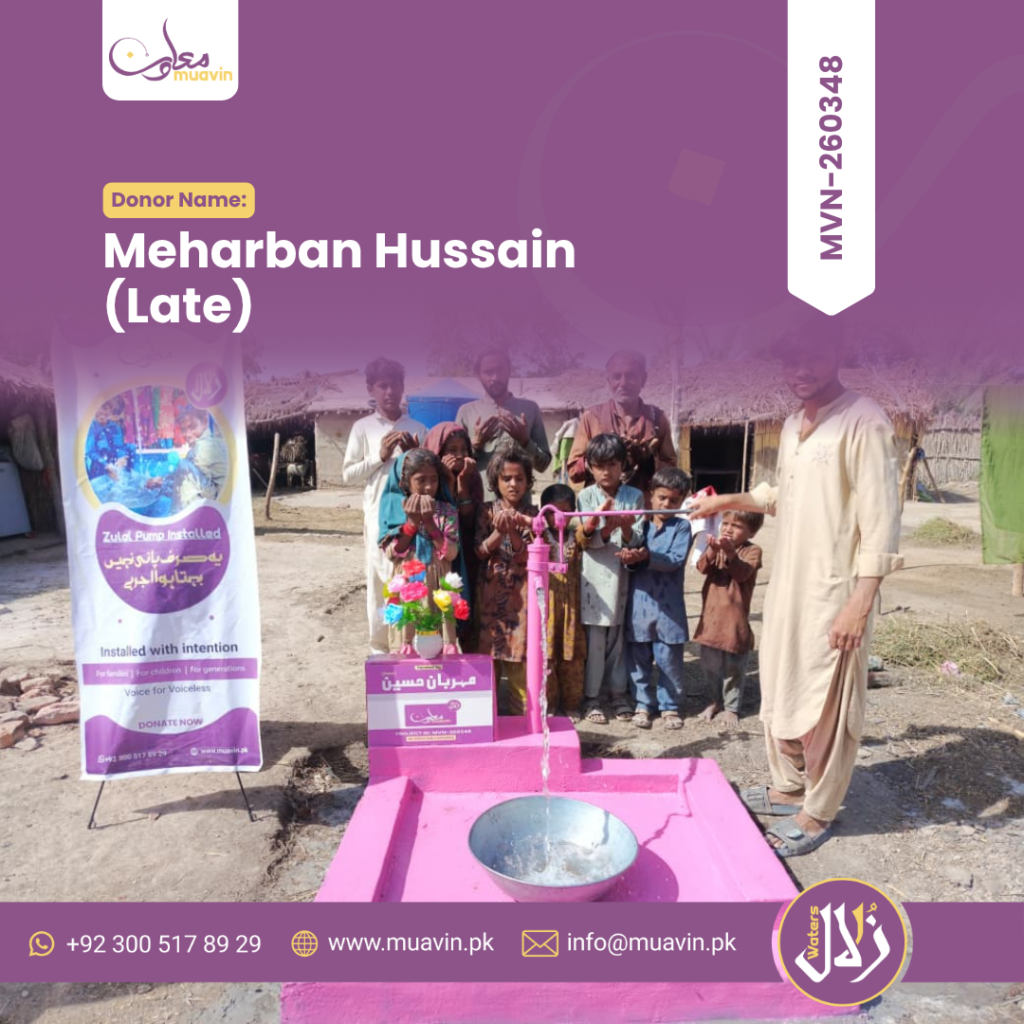
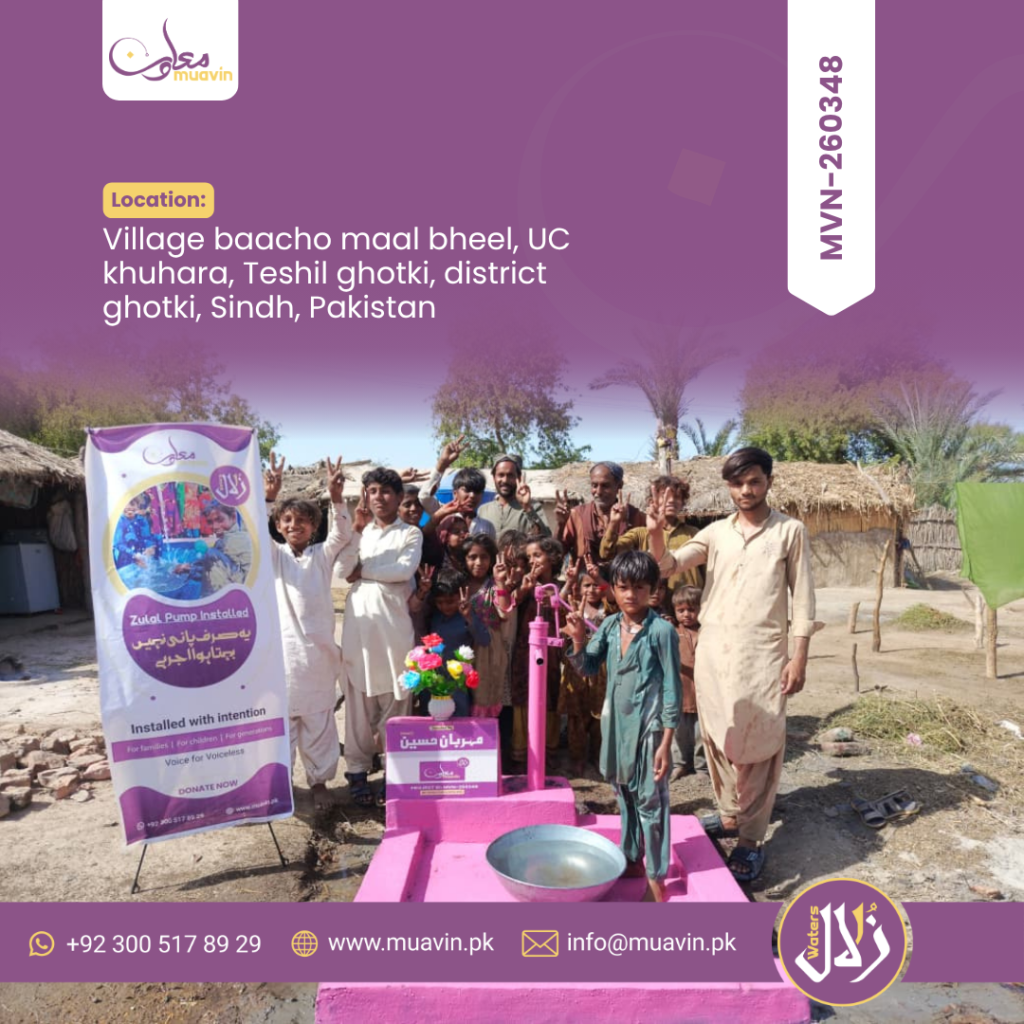
Look for programs that commit to regular monitoring and publish results. If you want to see details of implementation and accountability, consider supporting this clean water project or inquire about how a hand pump installation program measures functionality and finances.
How To Support
Whether you are an individual donor, a corporate partner, or a local community member, there are clear ways to contribute that align with transparency, sustainable impact, and program structure.
Water Solutions And Fit
Selecting the right water intervention requires comparing technical feasibility, cost, community capacity, and long-term maintenance. Below are the most common approaches used in rural and peri-urban settings, along with guidance to evaluating them for local conditions such as seasonal rainfall variability, shallow versus deep aquifers, or limited road access.
Hand Pumps And Boreholes
Hand pumps are often appropriate where groundwater is accessible at shallow to moderate depths, and a community can manage routine upkeep.
- Suitability: Best for villages with reliable shallow aquifers (typically <50–60 m). Works well where roads are poor because parts are relatively small and repairable locally.
- Benefits: Low operational costs, immediate access, and potential for community ownership.
- Limitations: Not suitable where groundwater is too deep, contaminated with naturally occurring chemicals (for example, fluoride, arsenic), or where mechanical failures exceed local repair capacity.
- Decision factors: Test borehole yield and water quality first to ensure a local spare-parts supply chain and trained caretakers.
- Real-world context: Many programs (including some run by WaterAid and smaller local NGOs) pair hand pumps with community maintenance funds to improve sustainability.
- Example implementation: For a locally managed pump approach, see a hand pump installation program.
Motorized And Solar Pumps
Motorized systems are useful where higher volumes are needed, such as for health clinics, schools, or larger settlements, and where deeper aquifers are present.
- Suitability: areas with deeper groundwater, clustered population centers, or institutional needs.
- Benefits: can deliver larger volumes and be tied into distribution networks or elevated tanks for gravity-fed delivery.
- Limitations: higher capital and operating costs, requires fuel or electrical systems (solar is a common choice), and needs regular technical maintenance.
- Decision factors: consider the total cost of ownership (installation plus O&M), technician availability, and fuel versus renewable energy options.
Rainwater Harvesting
Collecting roof runoff in tanks can be a strong option where rain is seasonal but intense, and groundwater is poor or contaminated.
- Suitability: Households, schools, or clinics with adequate roof catchment and regions with distinct rainy seasons.
- Benefits: Lower contamination risk when properly managed; decentralizes supply; scalable from household to community tanks.
- Limitations: Seasonal reliability; requires safe storage and regular cleaning; not a standalone solution in prolonged drought.
- Decision factors: Assess rainfall patterns, roof materials, and storage needs; combine with water-conservation measures.
Gravity-Fed Systems
Gravity-fed systems use higher-elevation sources to supply multiple communities without continuous pumping.
- Suitability: Mountainous or hilly areas with reliable springs or sources above settlements.
- Benefits: Low operating costs and fewer mechanical parts; long service life if built and protected properly.
- Limitations: High upfront engineering and construction costs; sensitive to source depletion and land-use changes upstream.
- Decision factors: Hydrological studies, catchment protection plans, and agreements on shared management are essential.
Frequently Asked Questions
Where should you donate for clean water in Pakistan?
Donate to registered organizations with proven water, sanitation,n and hygiene (WASH) programs in Pakistan, prioritizing groups with local community partnerships, transparent reporting, and independent monitoring. Look for evidence of sustainable solutions such as protected wells, community filtration systems, and sanitation education. Choose organizations that involve local water committees for long-term operation and maintenance.
How can I verify the legitimacy of a Pakistani charity before donating to water projects?
Check official registration with Pakistani authorities, inspect annual reports and audited financial statements, and review independent evaluations or third-party charity ratings. Confirm contact details and on-the-ground presence, and ask for references, recent project photos, and monitoring reports. Transparency about budgets and outcomes is a key indicator of legitimacy.
Should I give to international NGOs or local Pakistani organizations for water initiatives?
Local organizations often have contextual knowledge, community trust, and lower overhead, while international NGOs may bring funding, technical expertise, and larger-scale monitoring capacity. A blended approach—supporting reputable local partners backed by international technical support—can balance relevance and quality. Prioritize proven delivery and collaboration regardless of origin.
What types of clean water projects have the most lasting impact in Pakistan?
Sustainable projects include protected wells with pump maintenance plans, community water treatment plants, household water filters paired with hygiene education, and rainwater harvesting systems in water-scarce regions. Long-term impact requires community ownership, spare-parts supply chains, and capacity building for local technicians. Integration with sanitation and behavior change initiatives increases effectiveness.
How do organizations measure the impact of clean water donations in Pakistan?
Impact is measured by metrics such as the number of people served, reductions in waterborne disease incidence, sustained water source functionality, and behavioral change indicators from household surveys. Good programs use baseline and follow-up monitoring, water quality testing, and third-party evaluations to report outcomes. Transparent dashboards and case studies help donors understand real-world effects.
Can small donations make a difference for clean water efforts in Pakistan?
Yes, small donations can fund household filters, hygiene education, spare parts, or contribute to community water committees’ operating expenses. Pooled funding mechanisms and community-cost sharing amplify small contributions into larger, sustainable projects. Look for organizations that leverage small gifts into scalable local impact.
What are the common risks of donating to water projects in Pakistan?
Risks include poorly maintained infrastructure, misallocation of funds, short-term interventions without local buy-in, and projects that ignore the sustainability of water sources or local hydrology. Mitigate risks by funding programs with strong community engagement, maintenance plans, transparent reporting, and environmental assessments. Ask about risk mitigation strategies before donating.
How can I ensure my donation supports the sustainable maintenance of water systems?
Ask organizations about routine maintenance schedules, spare parts availability, local technician training, community contribution models, and financial sustainability plans. Programs that establish water user committees collecting modest fees for upkeep are more likely to maintain functionality. Verify documented maintenance records and local capacity-building activities.
Is supporting hygiene and sanitation as important as funding clean water infrastructure?
Yes—hygiene education and improved sanitation complement water infrastructure by reducing disease transmission and maximizing health gains. Integrated WASH programs that combine water supply, sanitation facilities, and behavior change produce significantly better outcomes than standalone interventions. Donations targeting combined WASH approaches tend to be more effective.
How do I know if a water project respects community needs and consent in Pakistan?
Responsible projects conduct participatory needs assessments, hold community meetings, include local leaders in decision-making, and obtain informed consent for site selection and technology choices. Look for documentation of community engagement, beneficiary selection criteria, and mechanisms for grievances or feedback. True consent is ongoing, not a one-time formality.
Can I fund emergency clean water relief in Pakistan and the longer-term infrastructure at the same time?
Yes—many organizations separate emergency water provision (safe water delivery, chlorination) from development programs (wells, treatment plants) while maintaining continuity through transition plans. Ask how emergency response links to durable solutions, and whether funds are earmarked for immediate relief or sustainable infrastructure. Effective programs plan exit strategies that transition from relief to local ownership.
What role do water quality tests play in choosing where to donate?
Water quality testing verifies the types of contamination, informs the selection of appropriate treatment technologies, and measures program effectiveness over time. Organizations that publish baseline and follow-up water testing results demonstrate accountability and a scientific basis for interventions. Ensure the group uses standard testing protocols and explains test results in accessible terms.
Are community-led water committees effective in Pakistan’s rural projects?
Community-led water committees are effective when given training, defined responsibilities, transparent financial controls, and a legal framework for operation. They foster local ownership, ensure routine maintenance, and manage user fees for sustainability. Success depends on inclusive representation, capacity building, and ongoing external technical support as needed.
How can diaspora donors from Pakistan best contribute to clean water initiatives back home?
Diaspora donors can support vetted local NGOs, fund matching grants, sponsor technical training, and assist in monitoring through remote reporting and periodic visits. Remittances directed toward community-driven WASH projects or maintenance-fund endowments strengthen sustainability. Ensure remittance channels comply with financial and regulatory safeguards.
What technology options are appropriate for Pakistan’s varied geographies?
Appropriate technologies include hand pumps and gravity-fed systems in mountainous areas, tubewells and boreholes in alluvial plains, household biosand or ceramic filters for microbiologically contaminated water, and rainwater harvesting in monsoon-prone regions. Technology choice should follow hydrogeological surveys, community prelifecycle, and lifecycle cost analysis.
Can I designate my donation to a specific region or village in Pakistan?
Many organizations accept geographically restricted donations, but earmarking can limit flexibility and project efficiency. If you choose to designate funds, confirm the organization’s capacity to implement in that area, expected timelines, and reporting commitments. Earmarked gifts work best with clear agreements on scope and monitoring.
How transparent should reporting be for clean water projects in Pakistan?
Reporting should include detailed budgets, activity timelines, beneficiary counts, water-quality results, maintenance logs, and independent evaluation summaries. Regular updates, photos, GPS coordinates, and impact stories increase transparency. Donors should expect accessible reporting at least annually for development projects and more frequently for emergency responses.
What are the environmental considerations when funding water projects in Pakistan?
Consider aquifer recharge rates, sustainable extraction limits, discharge impacts, and potential contamination from nearby agriculture or industry. Projects should include environmental impact assessments and avoid over-extraction that could harm ecosystems or other communities. Sustainable water management aligns project design with local hydrology and conservation principles.
How long does it typically take for a clean water intervention to show health benefits?
Behavioral and immediate water-quality benefits can appear within weeks of intervention, while measurable reductions in disease incidence and long-term health outcomes often take six months to several years. Sustained maintenance and hygiene promotion accelerate positive results. Monitoring over multiple seasons provides a clearer picture of health impacts.
Can I fund monitoring and evaluation specifically for clean water programs in Pakistan?
Yes—monitoring and evaluation (M&E) are critical and can be funded as dedicated components to ensure accountability and learning. Support for M&E enables baseline surveys, water-quality testing, functionality tracking, and independent assessments. Well-funded M&E improves program design, scalability, and donor confidence.
What are effective ways to donate to support clean water education in Pakistan?
Support curriculum development, community hygiene promotion, school WASH programs, and training for local health workers or teachers. Funding behavior-change campaigns, demonstration sites, and materials for handwashing and safe storage reinforces infrastructure investments. Prioritize programs that use culturally appropriate messaging and measure behavior adoption.
How do cultural and gender considerations affect clean water projects in Pakistan?
Gender roles influence water collection responsibilities, site selection, and decision-making; projects must ensure women’s participation in planning and water committees. Cultural norms affect technology acceptance and hygiene practices, so inclusive design and gender-sensitive training increase uptake and sustainability. Addressing gender dynamics promotes equitable access and outcomes.
What should I ask about procurement and supply chains when donating ftowater systems?
Ask how materials and spare parts are sourced, whether procurement follows transparent competitive processes, and if local suppliers and technicians are engaged. Reliable local supply chains reduce downtime and support local economies. Ensure contingency plans are in place for import delays or component failures.
Are public-private partnerships a good model for clean water projects in Pakistan?
Public-private partnerships can combine government scale and private-sector efficiency, improving service delivery when contracts are clear and accountability mechanisms are strong. They may support the expansion of piped water, treatment plants, or maintenance services. Evaluate contract transparency, tariff fairness, and protections for low-income households before supporting PPP models.
What if the water source dries up after a donor-funded project is completed?
Sustainable projects should include hydrogeological assessments and contingency plans; if a source fails, responsible organizations implement mitigation measures such as drilling deeper wells, establishing alternative sources, or adapting technologies. Donors should inquire about risk assessment processes and maintenance funds to respond to such events.
Can volunteers from abroad meaningfully support clean water work in Pakistan?
International volunteers can contribute technical expertise, monitoring support, and fundraising, but meaningful impact requires coordination with local partners, cultural orientation, and defined short-term objectives. Prioritize capacity-building roles and avoid one-off construction that fails to sustain local ownership. Virtual volunteering for monitoring and training is often effective.
How do crisis contexts (floods, droughts) change where I should donate for clean water in Pakistan?
In crises, prioritize organizations with rapid-response capacity that provide immediate clean water, emergency sanitation, and disease prevention, while ensuring plans for the transition to durable solutions. Look for groups with both emergency and development experience to bridge relief and long-term water security. Flexibility and local partnerships are crucial in emergencies.
What reporting frequency should I expect after donating to a water project in Pakistan?
For development projects, expect quarterly or biannual progress reports and annual audited accounts, while emergency responses may provide weekly or monthly updates during acute phases. Reports should include outputs, outcomes, water-quality data, and photographs or GPS-verified site information. Agree on reporting timelines before donating.
How can donations help address urban water challenges in Pakistan?
Donations can support leak reduction, water treatment upgrades, community water kiosks, demand-management programs, and sanitation improvements in informal settlements. Urban projects often require coordination with municipal utilities and attention to governance. Support initiatives that strengthen public systems and promote equitable access to water.
What indicators show that a clean water project in Pakistan is likely to be cost-effective?
Indicators include low functionality downtime, high user adoption, evidence of disease reduction per beneficiary, strong local management, and lifecycle costs for operation and maintenance. Cost-effectiveness is higher when projects integrate hygiene promotion and use context-appropriate technology. Demand-driven approaches often yield better value.
Can I set up a long-term endowment or maintenance fund for a water system in Pakistan?
Yes, endowments or community maintenance funds help ensure ongoing repairs and parts replacement. Establish clear governance, transparent financial management, and disbursement rules with local committees. Verify legal and banking arrangements to ensure funds are accessible and protected for their intended purpose.