Muharram reminds Muslims of sacrifice, compassion, and the pain of thirst. Yet today, millions of people around the world still struggle daily for clean drinking water. For many Muslims, Muharram is not only a time of remembrance. It is also a time to reflect on:
- humanity
- compassion
- helping those in hardship
- and serving vulnerable communities
The tragedy of Karbala left a lasting emotional connection with thirst, suffering, and mercy. Centuries later, that reminder still carries humanitarian meaning today.
- Why Water Charity Is One of the Best Sadaqah in Muharram
- This Muharram, Help Villages Still Struggling for Pure Water
- Donate a Hand Pump in Memory of Loved Ones This Muharram
- This Muharram, Donate Water and Earn Lasting Sadaqah Jariyah
- Why Community Water Projects Matter More Than Temporary Aid
- How Sustainable Water Infrastructure Helps Rural Pakistan
Pakistan’s Rural Water Crisis Is Still a Daily Reality
For many families in Pakistan, access to clean drinking water remains uncertain and difficult. In several underserved rural communities, people still struggle with:
- unsafe groundwater
- damaged or unreliable pumps
- long travel distances for water
- and limited sanitation infrastructure.
Water scarcity continues to affect health, hygiene, education, and daily life across vulnerable communities in Pakistan.
Layyah and South Punjab Water Challenges
In parts of South Punjab, including Layyah and surrounding rural areas, families may experience severe summer heat, water shortages, and difficult groundwater conditions. Some communities continue to depend on:
- seasonal water access
- distant collection points
- or unsafe water sources for daily use.
These challenges may affect:
- drinking water access
- sanitation
- household hygiene
- and overall quality of life.
In extreme temperatures, daily water collection can become physically exhausting, especially for women and children.
Ali Pur Muzaffargarh and Nearby Communities
Communities in Ali Pur Muzaffargarh and nearby underserved areas may also face:
- limited water infrastructure
- unreliable hand pumps
- sanitation hardship
- and unsafe water access.
For many households, obtaining clean water requires:
- significant travel
- physical effort
- and daily uncertainty.
This hardship often affects:
- children’s education
- women’s health
- household stability
- and hygiene conditions.
Interior Sindh and Unsafe Drinking Water
Interior Sindh continues facing major water-related challenges in many vulnerable communities. Some areas of experience:
- unsafe drinking water
- poor sanitation systems
- contamination concerns
- and long-term infrastructure shortages.
These conditions may increase risks related to:
- illness
- poor hygiene
- dehydration
- and waterborne disease exposure.
For many families, clean water remains a daily humanitarian challenge rather than a guaranteed basic necessity.
Why Women and Children Often Carry the Burden
In many rural communities, women and children are often responsible for collecting water for the household. This may involve:
- walking long distances
- carrying heavy containers
- standing in queues
- and spending hours each day securing water.
Women and girls disproportionately carry the burden of water collection in vulnerable communities globally. This affects:
- education opportunities
- family wellbeing
- physical health
- and daily quality of life.
Clean Water Is More Than Drinking Water
Reliable access to water supports far more than hydration alone. Clean water may help improve:
- hygiene
- sanitation
- household health
- wudu facilities
- cooking and cleaning
- and overall community wellbeing.
Communities with improved water access may also experience:
- reduced hardship
- improved dignity
- better hygiene practices
- and safer daily living conditions.
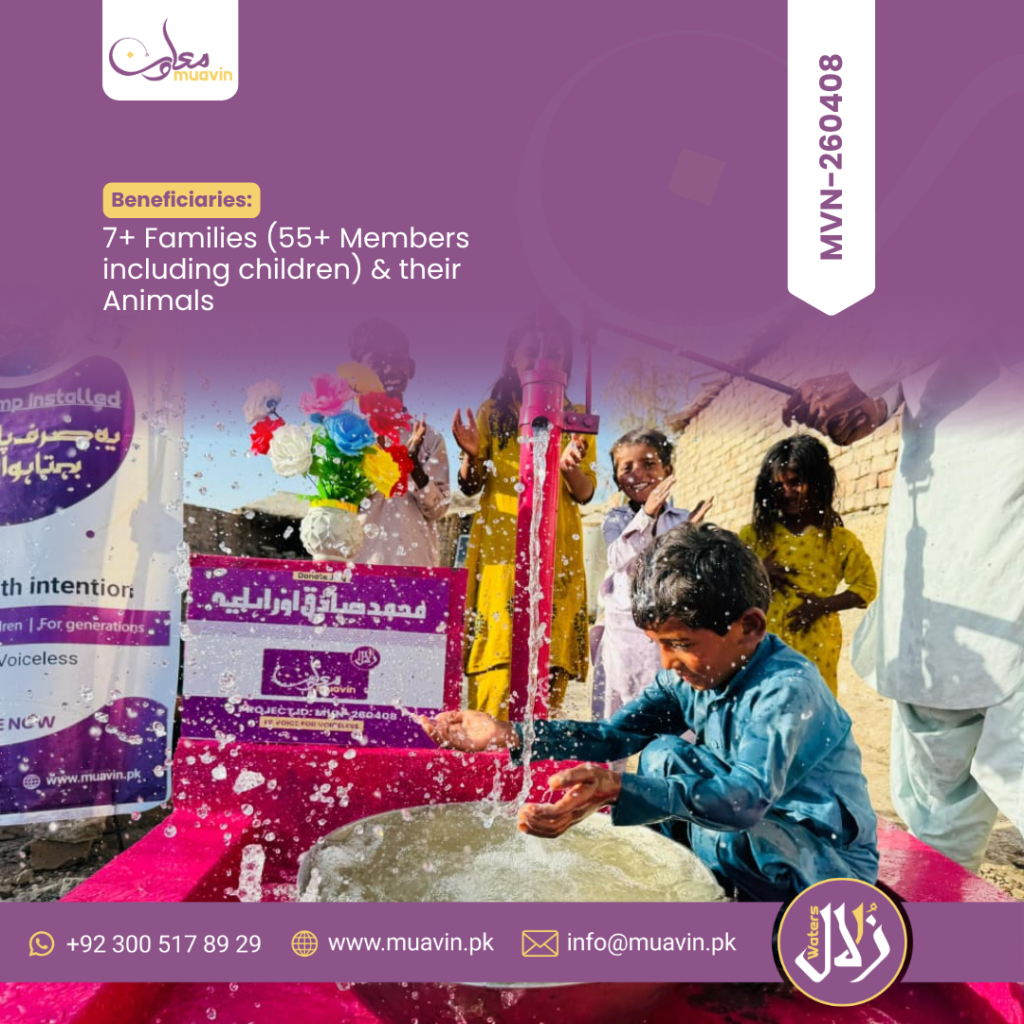
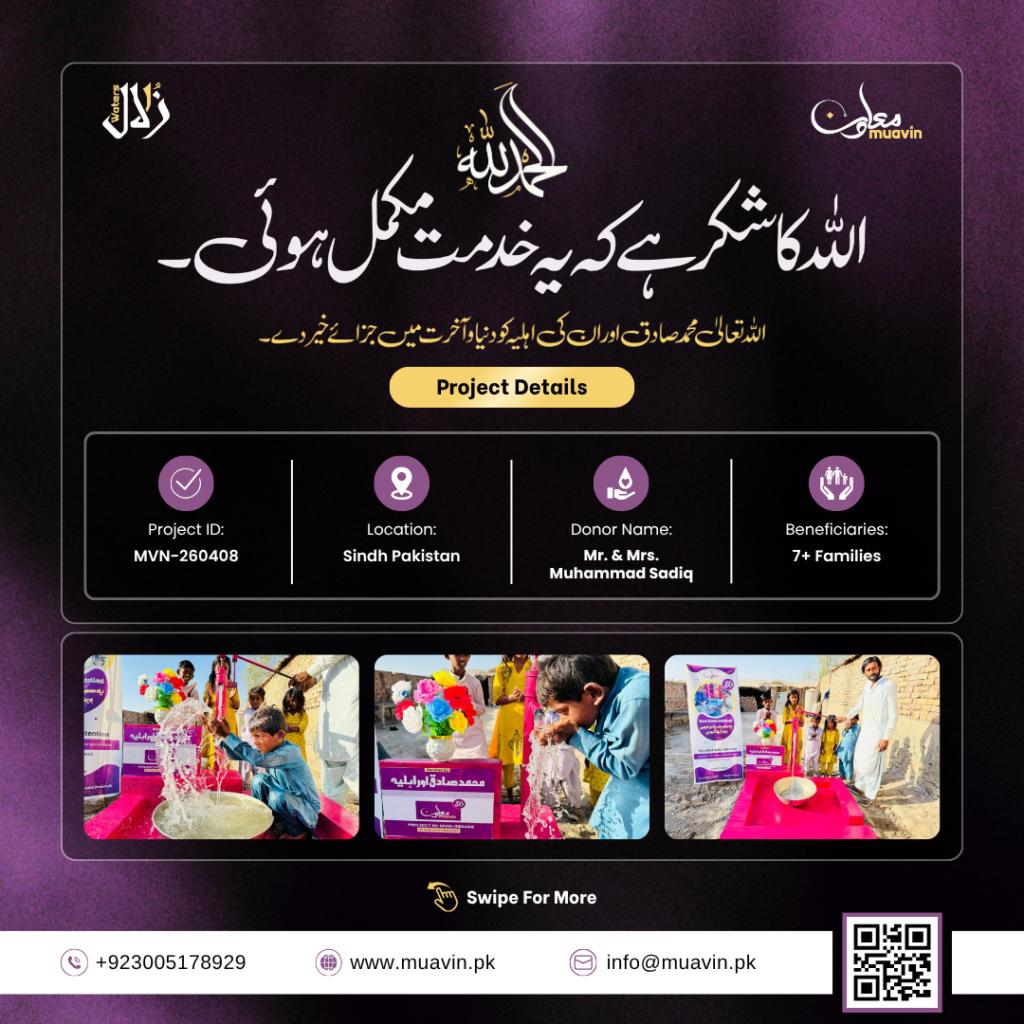
Why Water Charity Is Deeply Meaningful During Muharram
For many Muslims, Muharram is not only about remembering suffering. It is also about responding to suffering with compassion and action. The remembrance of thirst in Karbala continues inspiring many people to:
- help thirsty communities
- support water charity
- and provide relief to vulnerable families today.
Because of this emotional connection, water charity remains deeply associated with:
- mercy
- compassion
- Sadaqah Jariyah
- and helping humanity.
Water Charity as Sadaqah Jariyah
Water projects are commonly viewed as Sadaqah Jariyah because they can continue to benefit people for years. As long as communities continue benefiting from:
- hand pumps
- wells
- filtration systems
- and clean water infrastructure
The humanitarian impact may continue daily. For many Muslims, this makes water charity one of the most meaningful forms of:
- ongoing charity
- long-term community support
- and humanitarian service.
Turning Muharram Reflection Into Humanitarian Action
Remembering Karbala should not stop at mourning thirst; it should inspire us to relieve it wherever we can. Today, many people turn their reflections during Muharram into practical humanitarian actions.
- water charity
- hand pump sponsorships
- community water systems
- filtration projects
- and sustainable clean water initiatives.
These efforts help support:
- vulnerable families
- underserved villages
- mosques
- schools
- and entire communities facing water hardship.
Supporting Water Projects Through Muavin Welfare Foundation
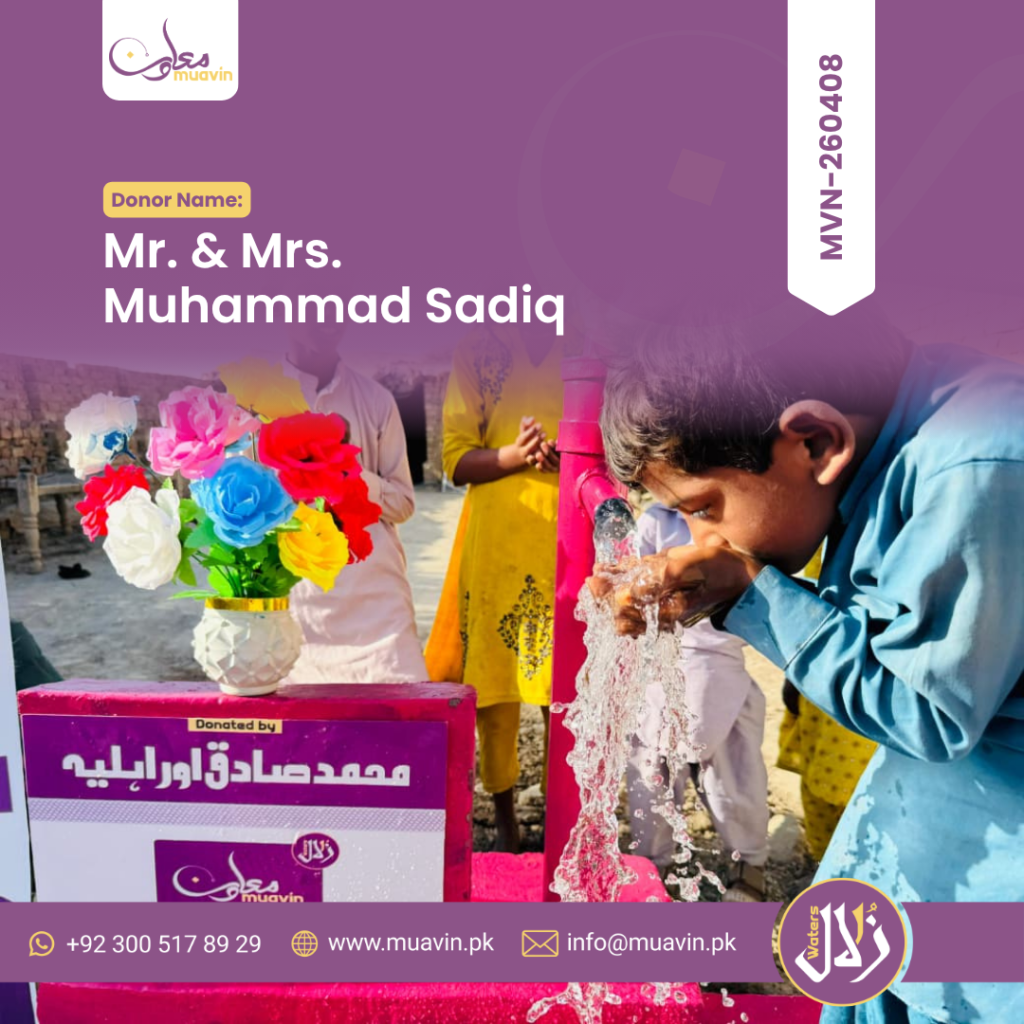
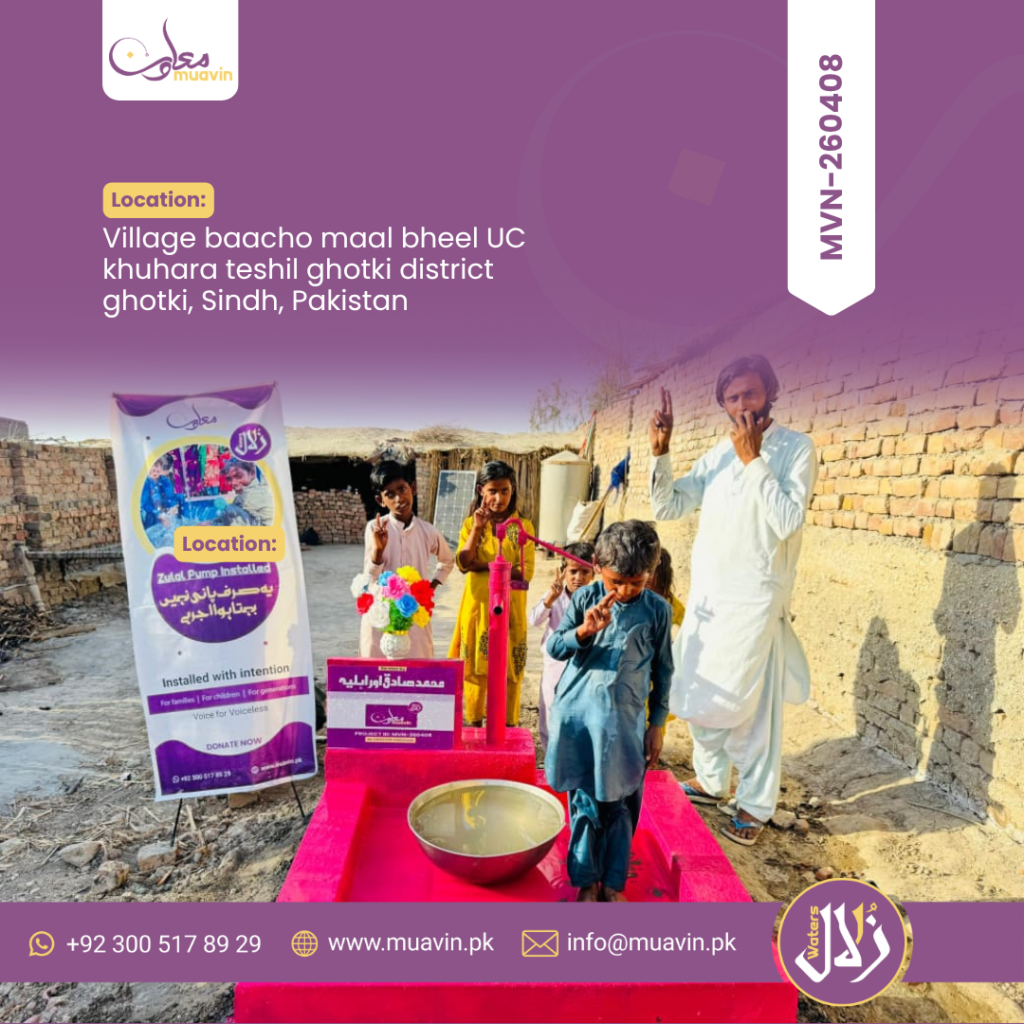
Muavin Welfare Foundation supports structured humanitarian water initiatives for underserved communities in Pakistan.
Their clean water initiatives focus on:
- sustainable water access
- underserved rural communities
- long-term humanitarian impact
- and transparency-based charitable support.
Water initiatives include:
- Zulaal Water Projects
- Donate Family Hand Pump
- Donate Community Hand Pump
- Medium Solar Project
- Heavy Duty Solar Project
Family Water Support Solutions
Many donors choose family-level water projects because they directly help households struggling with unsafe or distant water access.
Common support options include:
| Water Support Type | Purpose |
| Water Hand Pump Share | Shared support for a family water project |
| Half Family Hand Pump Sponsorship | Partial family water support |
| Complete Family Water Pump | Full household clean water solution |
These projects may help reduce:
- dependence on unsafe water
- long travel distances
- and daily hardship for families.
Community Water Solutions
Community-level projects help provide broader water access for:
- villages
- schools
- mosques
- and underserved public-use areas.
Community support solutions include:
| Community Water Solution | Purpose |
| Community Water Pump Share | Shared participation in larger projects |
| Half Community Sponsorship | Partial village-level support |
| Complete Community Water Pump | Full community clean water solution |
These projects help create wider and longer-term humanitarian impact.
Sustainable Water Infrastructure
Some communities require larger and more sustainable infrastructure solutions because of:
- electricity limitations
- environmental conditions
- and long-term water needs.
Sustainable projects may include:
- hybrid hand pump systems
- solar-powered water systems
- and larger clean water infrastructure initiatives.
These systems help improve:
- sustainability
- reliability
- and long-term community water access.
Solar Wazu Khana Projects
Access to clean water is also important for mosques and community ablution facilities. Some humanitarian initiatives, therefore, support:
- solar-powered wazu khana systems
- mosque water access
- and sustainable ablution infrastructure.
Examples include:
- 3 Tap Solar Wazu Khana
- 8 Tap Solar Wazu Khana
- 12 Tap Solar Wazu Khana
These projects help improve:
- hygiene
- clean water access
- and community convenience.
Why Donors Trust Transparent Water Charities
For many people, water charity is deeply emotional. Donations are often made:
- during Muharram
- in memory of loved ones
- on behalf of parents
- Or as Sadaqah Jariyah is intended to continue helping people for years.
Because of this emotional connection, donors increasingly want:
- accountability
- visibility
- proof of impact
- and confidence that their charity truly reached families in need.
They want to know:
- where the project was installed
- who benefited from it
- whether the work was completed properly
- and how their donation created a real humanitarian impact.
This is why transparency has become one of the most important factors in modern humanitarian giving.
Humanitarian Impact Matters More Than Promises
Many organizations ask donors to trust them. But modern donors increasingly value:
- documented humanitarian work
- visible project reporting
- real beneficiary impact
- and transparent charitable systems.
This is especially important for:
- water charity
- Muharram giving
- Sadaqah Jariyah
- and donations made in memory of loved ones.
Transparency helps transform charity from uncertainty into a visible humanitarian impact.
Why Water Projects Create Long-Term Impact
Water projects help communities in ways that extend far beyond drinking water alone. Reliable water access may support:
- hygiene
- sanitation
- household health
- wudu facilities
- cooking and cleaning
- and daily quality of life.
According to WHO and UNICEF reporting, billions of people globally still lack safely managed drinking water services, while unsafe water and sanitation continue contributing to disease and hardship.
In vulnerable communities, improved water access may help reduce:
- long travel distances
- dependence on unsafe sources
- hygiene-related hardship
- and water collection burdens on women and children.
Why Water Charity Is Considered Sadaqah Jariyah
Water charity is commonly associated with Sadaqah Jariyah because its benefit may continue long after the original donation.
As long as communities continue benefiting from:
- hand pumps
- wells
- filtration systems
- Solar water projects
- and community water infrastructure
The humanitarian impact may continue daily. For many Muslims, this makes water charity one of the most meaningful forms of:
- ongoing charity
- humanitarian service
- and long-term community support.
Turning Muharram Reflection Into Practical Action
Muharram reminds Muslims about:
- compassion
- sacrifice
- helping humanity
- and responding to suffering with mercy.
For many people, this reflection inspires practical action through:
- water charity
- hand pump sponsorships
- filtration systems
- mosque water facilities
- and community clean water projects.
Honoring the legacy of Karbala should extend far beyond simply expressing sorrow for the suffering caused by thirst. It should ignite within us a passionate commitment to take meaningful action and alleviate the struggles of those facing thirst and deprivation in our own communities and beyond.
Supporting Water Projects Through Muavin Welfare Foundation
Muavin Welfare Foundation supports structured humanitarian water initiatives for underserved communities in Pakistan.
Their initiatives focus on:
- sustainable clean water access
- long-term humanitarian impact
- underserved rural communities
- and transparency-based charitable support.
Water initiatives include:
- Zulaal Water Projects
- Donate Family Hand Pump
- Donate Community Hand Pump
- Medium Solar Project
- Heavy Duty Solar Project
These projects aim to support:
- vulnerable households
- underserved villages
- mosques
- schools
- and communities facing water hardship.
Family Water Support Solutions
Many donors choose family-level water projects because they directly help households struggling with unsafe or distant water access.
Common support solutions include:
| Water Support Type | Purpose |
| Water Hand Pump Share | Shared support for a family water project |
| Half Family Hand Pump Sponsorship | Partial household water support |
| Complete Family Water Pump | Full household clean water solution |
These projects may help reduce:
- daily hardship
- unsafe water dependence
- and long travel distances for families.
Community Water Solutions
Community-level projects help create a broader humanitarian impact for:
- villages
- schools
- mosques
- and underserved public-use areas.
Community support solutions include:
| Community Water Solution | Purpose |
| Community Water Pump Share | Shared participation in larger community projects |
| Half Community Sponsorship | Partial village-level support |
| Complete Community Water Pump | Full community clean water solution |
These projects help improve:
- water accessibility
- hygiene conditions
- sanitation support
- and daily convenience for communities.
Sustainable Water Infrastructure
Some communities require larger and more sustainable infrastructure because of:
- electricity limitations
- difficult environmental conditions
- and long-term water access challenges.
Sustainable solutions may include:
- hybrid hand pump systems
- solar-powered water systems
- and larger clean water infrastructure projects.
These systems help improve:
- sustainability
- reliability
- and long-term community water access.
Solar Wazu Khana Projects
Reliable access to water is also important for mosques and community ablution facilities.
Some humanitarian initiatives support:
- solar-powered wazu khana systems
- mosque water access
- and sustainable ablution infrastructure.
Examples include:
- 3 Tap Solar Wazu Khana
- 8 Tap Solar Wazu Khana
- 12 Tap Solar Wazu Khana
These projects help support:
- hygiene
- cleaner water access
- and community convenience.
Why Transparency Matters Emotionally
For many Muslims, water charity is not only about infrastructure. It is emotionally connected with:
- compassion
- helping thirsty families
- Muharram reflection
- Sadaqah Jariyah
- and humanitarian service.
Because of this emotional connection, many donors increasingly value:
- project tracking
- image and video proof
- beneficiary verification
- exact locations
- completion updates
- and visible humanitarian reporting.
Transparent systems help create:
- donor confidence
- emotional peace of mind
- and trust in humanitarian impact.
Muavin’s Transparency & Verification Structure
Muavin Welfare Foundation emphasizes transparency through:
- donor tracking systems
- project updates
- image and video proof
- beneficiary information
- completion reporting
- and documented humanitarian verification processes.
Their transparency structure helps donors remain connected with:
- project progress
- installation updates
- and the humanitarian outcomes of their charity.
This creates accountability, trust, donor confidence, and visible humanitarian impact.
Frequently Asked Questions About Muharram & Clean Water Charity
Why is water charity important during Muharram?
For many Muslims, Muharram is a time of reflection, compassion, and remembering the suffering associated with Karbala.
The remembrance of thirst during Karbala later created a strong emotional connection between:
- helping thirsty people
- water distribution
- and humanitarian compassion.
Because of this connection, many Muslims support:
- hand pumps
- wells
- filtration systems
- and clean water projects
during Muharram as acts of:
- mercy
- Sadaqah Jariyah
- and helping humanity.
How many people still lack clean drinking water today?
Around 2.1 billion people globally still lack safely managed drinking water services. Many vulnerable communities continue facing:
- unsafe drinking water
- sanitation hardship
- long travel distances for water
- and unreliable infrastructure.
Water scarcity remains one of the major humanitarian challenges affecting health, hygiene, and quality of life worldwide.
Why is giving water considered Sadaqah Jariyah?
Water charity is commonly associated with Sadaqah Jariyah because the benefit may continue helping people long after the original donation.
Communities may continue benefiting daily through:
- drinking water
- sanitation
- hygiene
- cooking
- wudu
- and household use.
Projects commonly associated with Sadaqah Jariyah include:
- hand pumps
- wells
- filtration systems
- and solar-powered water projects.
Because of their long-term benefit, many Muslims consider water projects among the most meaningful forms of ongoing charity.
How do hand pumps help low-income families?
Hand pumps may help families gain safer and more reliable access to clean water closer to their homes.
This may help reduce:
- long travel distances for water
- dependence on unsafe water sources
- hygiene-related hardship
- and the physical burden on women and children.
Reliable water access may also improve:
- household hygiene
- sanitation
- daily convenience
- health conditions
- and overall quality of life.
What areas in Pakistan need water projects the most?
Many underserved communities across Pakistan continue to face water-related hardships, especially in rural and infrastructure-limited regions.
Areas commonly affected include:
- Layyah
- Ali Pur Muzaffargarh
- Interior Sindh
- and other underserved rural communities.
These regions may face:
- unsafe groundwater
- unreliable pumps
- sanitation limitations
- and difficult access to clean drinking water.
Why is clean water still a crisis today?
Clean water remains a major global humanitarian challenge because many communities still lack:
- safe water infrastructure
- sanitation systems
- reliable pipelines
- filtration systems
- and sustainable water access.
WHO and UNICEF reporting continues highlighting that billions of people still face unsafe drinking water and sanitation challenges globally.
Water scarcity may also worsen because of:
- climate pressures
- drought conditions
- poverty
- conflict
- and infrastructure shortages.
Why are women and children most affected by water scarcity?
In many vulnerable communities, women and children are often responsible for collecting water for their households. This may involve:
- walking long distances
- carrying heavy containers
- spending hours collecting water
- and missing education or work opportunities.
Women and girls disproportionately carry the burden of water collection in many communities worldwide.
Water scarcity may therefore affect:
- education
- health
- hygiene
- safety
- and daily family wellbeing.
Why do Muslims donate water during Muharram?
Many Muslims donate water during Muharram because the remembrance of Karbala created a lasting emotional connection with:
- thirst
- compassion
- helping humanity
- and serving vulnerable communities.
Water charity during Muharram may include:
- Sabeel water distribution
- hand pump sponsorships
- filtration projects
- mosque water facilities
- and clean water initiatives for poor communities.
For many people, this represents:
- compassion in action
- mercy toward others
- and transforming remembrance into humanitarian service.
How do water projects create long-term humanitarian impact?
Water projects may continue helping communities for many years through:
- safer drinking water
- sanitation support
- improved hygiene
- wudu facilities
- and reduced hardship.
Long-term water infrastructure may benefit:
- households
- schools
- mosques
- villages
- and entire underserved communities.
This is why water charity is often viewed as:
- sustainable humanitarian support
- ongoing charity
- and long-term community assistance.
Why do many donors support water projects in memory of loved ones?
Many Muslims donate to water projects:
- In memory of parents
- on behalf of loved ones
- or as Sadaqah Jariyah for deceased family members.
Because water projects may continue benefiting people for years, many donors view them as meaningful forms of:
- ongoing reward
- compassion
- and lasting humanitarian impact.
Why do donors value transparent charities?
Modern donors increasingly value:
- accountability
- project verification
- visible humanitarian impact
- and proof of completion.
This is especially important for:
- Muharram charity
- Sadaqah Jariyah
- water projects
- and donations made in loved ones’ names.
Transparent reporting helps donors see:
- project progress
- beneficiary details
- completion updates
- and visible humanitarian outcomes.
How does Muavin Welfare Foundation support transparency?
Muavin Welfare Foundation emphasizes transparency through:
- donor tracking systems
- project updates
- image and video proof
- beneficiary verification
- completion reporting
- and documented humanitarian processes.
Their humanitarian water initiatives include:
Their transparency-focused structure helps donors remain connected with the humanitarian impact of their charity.