
Rural Water Access in Pakistan and Hand Pumps
Rural water access remains a persistent challenge in Pakistan. In many villages, households rely on sources that are unsafe, unreliable, or far from home. Simple, manually operated hand pumps can play a practical role in improving household and community water security when they are correctly sited, installed, and maintained.
This article explains what the problem looks like, why it matters, and how family hand pumps fit into common rural water interventions. It is intended to support informed decisions by donors and Pakistan-based stakeholders involved in planning, funding, or overseeing water access projects.
Water access challenges
Rural water access in Pakistan varies by geography, infrastructure, and local governance. Physical factors, including aridity, seasonal variability, and geology, combine with socioeconomic and institutional constraints to create pockets of high vulnerability across the country.
Hotspots and uneven coverage
Access to improved water sources is uneven across provinces and districts. Remote and sparsely populated areas often have lower service levels than peri-urban or well-connected rural localities. Arid and desert regions, such as parts of Balochistan and the Thar area of Sindh, plus some mountainous highland communities, face chronic scarcity and long collection distances.
Other hotspots include low-income rural clusters with ageing or broken infrastructure. These geographic patterns mean vulnerability to unsafe or unreliable water is concentrated in particular districts rather than evenly distributed.
Unsafe sources and risks
Unsafe water sources in rural settings commonly include open wells, unprotected springs, ponds, and surface drains. Risks fall into two broad categories: microbiological contamination and geogenic contaminants. Microbiological hazards arise from faecal contamination linked to latrines, animal access, and runoff after rains, leading to diarrheal disease and other infections.
Time, distance, and gender
Collecting water in many rural communities is a time-consuming daily task. Households without an on-plot source often make multiple trips per day, carrying heavy loads over long distances. The responsibility typically falls to women and girls, reducing time available for education, paid work, childcare, and community engagement. This daily burden has direct economic and social consequences, including lost schooling, reduced labor opportunities, and increased physical strain. During seasonal shortages or emergencies, travel times and the risks of fetching water can increase dramatically.
Hygiene and public health
Safe water is a foundation for hygiene practices and public health. Reliable access reduces the risk of waterborne diseases, supports handwashing and food hygiene, and lowers child morbidity and mortality associated with diarrheal illnesses.
Conversely, unreliable or contaminated water supplies force households to prioritize water for drinking and cooking over hygiene, undermining disease prevention. Improvements to household water access, especially those that reduce contamination between source and use, are closely linked to better health outcomes and greater community resilience.
Hand Pumps and Community Impact
Why hand pumps matter
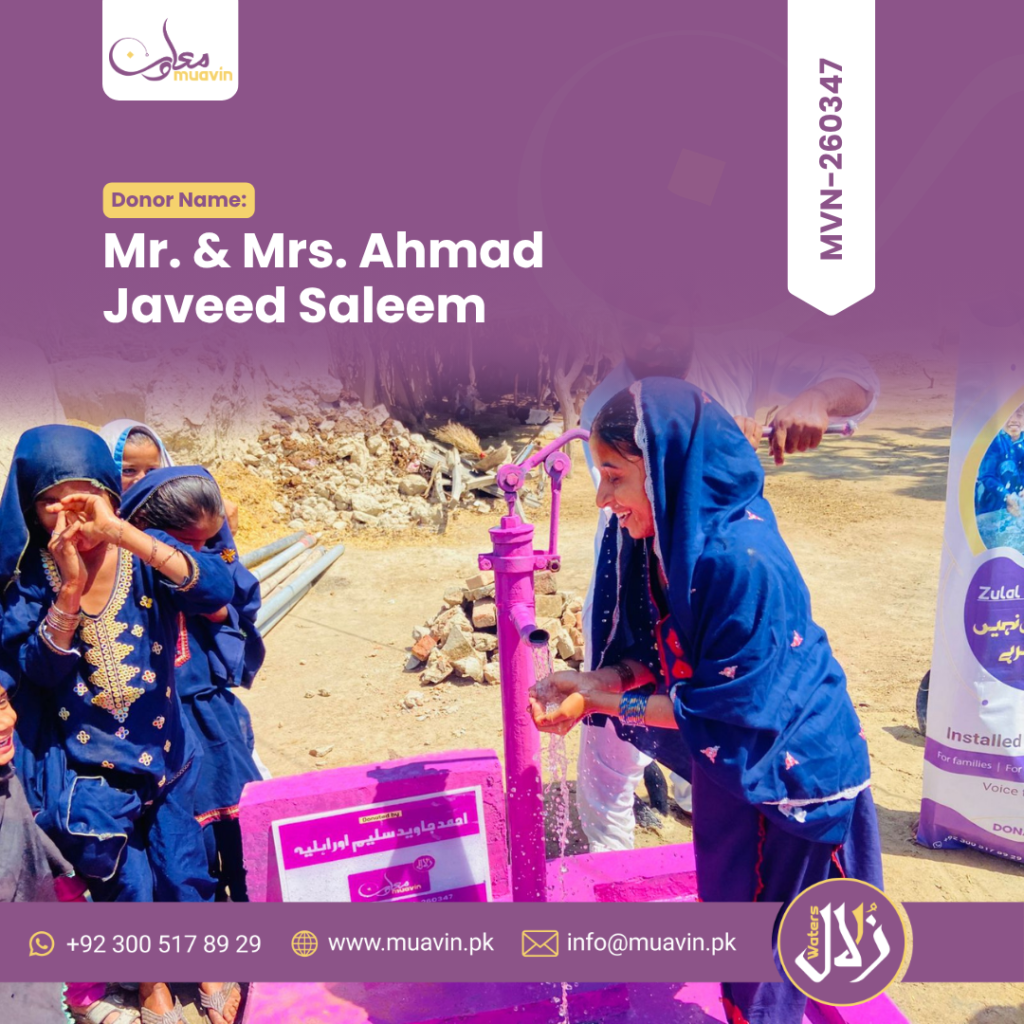
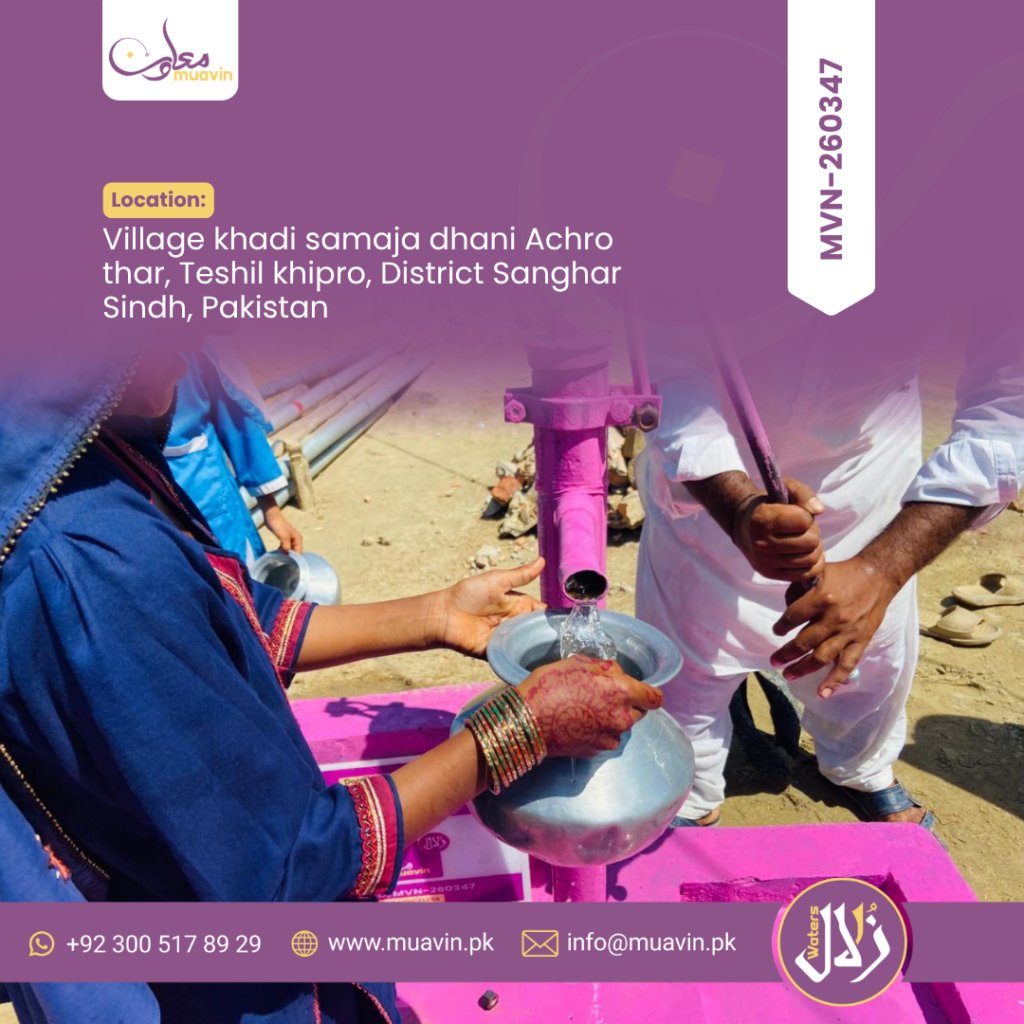
Hand pumps are a low-cost, low-complexity technology that can make a meaningful difference in areas without reliable piped water. When properly sited, installed, and maintained, a single hand pump can provide a safe, convenient source of water for a household cluster and reduce contamination risk compared with unsafe open sources.
Family vs community pumps
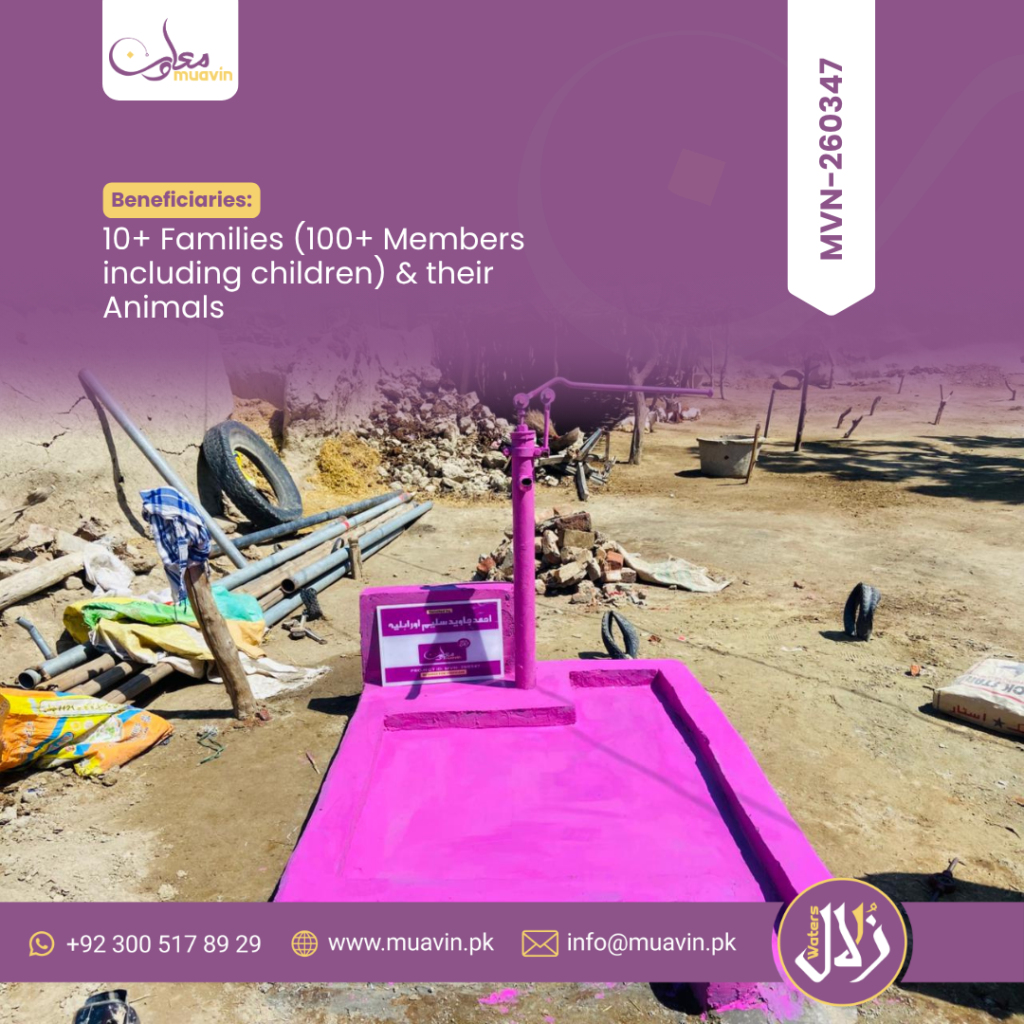
A family hand pump is a manually operated pump installed at a single well or borehole to serve one household or a small cluster of households. It is designed for frequent, local use. It is generally simpler and smaller than community pumps, which are intended to serve larger groups, often with reinforced mountings, communal tap stands, or fenced compounds.
Family pumps prioritize convenient, on-plot access and are most appropriate where user groups are small, water yields are modest, and local ownership is feasible.
Typical service capacity
A typical family hand pump is sized to reliably meet the needs of approximately 20–30 people, with the capacity to supply nearby small livestock in many contexts. This translates to water for drinking, cooking, basic hygiene, and light household tasks for a cluster of households.
Capacity depends on well yield, depth to water, pump type and condition, and user demand patterns. Designers match pump type and siting to expected user numbers to avoid over-extraction and to ensure a dependable supply.
The shortcode is missing a valid Donation Form ID attribute.
Implementation and Operations
The path from a funding commitment to a functioning hand pump involves technical, social, and logistical steps. Each stage reduces the risk of failure and supports long-term functionality. The workflow below reflects common practice in hand pump projects.
Site selection and consultation
Site selection combines technical checks (water table depth, proximity to contamination sources, population density) with community agreement. This typically includes preliminary mapping and screening, community discussions with leaders and likely users, and a final selection that balances feasibility with local buy-in. Strong consultation can reduce vandalism, support equitable access, and increase the likelihood that local users will maintain the pump.
For example, in a cluster of three hamlets, technical screening might show similar groundwater conditions across sites. If one hamlet offers a secure, centrally located plot and nominates representatives for maintenance training, that location may be more practical for long-term use.
Drilling, construction, and installation
Installing a hand pump is a sequence of earthworks, sanitary construction, and mechanical assembly. The process generally includes site clearing and access preparation, drilling or well-digging based on local geology, yield, and basic water checks, well lining and sanitary sealing, and anchoring the pump on a solid platform with drainage. Commissioning involves operating the pump to check flow, priming, and leaks, and documenting baseline performance.
A proper sanitary seal and apron reduce the chance that surface runoff or standing water will contaminate the source. Poor sealing or weak drainage can increase health risks and accelerate mechanical wear from silt. If early checks reveal issues such as high iron content, implementers may adjust depth, select a different layer, or plan for periodic flushing rather than proceeding without a mitigation plan.
Training and local ownership
Technical installation is not sufficient without systems to manage use and upkeep. Training usually covers safe operation, routine checks for leaks or reduced flow, and simple first-line repairs such as replacing washers or re-seating joints.
Many projects also establish a local governance arrangement. This may include a small pump committee (often 3–7 members) with representation of women and men, written or locally recorded rules for access and dispute handling, and a maintenance fund mechanism such as small regular contributions or an emergency pool. When women are included in committees, household water needs and hygiene considerations are more consistently prioritized.
An example approach is a two-day hands-on workshop for community members, followed by on-the-job mentoring for caretakers during the first three months of operation.
Maintenance and spare parts
Long-term functionality depends on maintenance planning and the availability of parts. A practical system blends routine preventive work with rapid response to breakdowns.
- Daily: Visual check for surface water, broken parts, and hygiene around the apron.
- Weekly: Test pumping performance and ensure bolts and fasteners are tight.
- Monthly: Check seals, replace vulnerable small parts like washers, and lubricate pivot points.
- Annual: Inspect riser pipes, test water quality, and replace worn major components as needed.
Many projects keep a basic spare parts kit locally (washers, u-seals, piston cups, connecting rods, bolts). They also identify local suppliers within a reasonable distance and train local mechanics or community members to handle common repairs. Regular preventive maintenance tends to reduce major failures and overall lifecycle costs, while weak supply chains can lead to long downtime when pumps break.
Monitoring and reporting
Monitoring links implementation to outcomes such as sustained access and water quality. Common indicators include functionality rate, time-to-repair, usage levels, periodic water quality results, and the status of governance and maintenance funds.
Typical methods include routine visits using standardized checklists, simple logbooks kept near the pump, periodic household surveys, and defined third-party verification visits.
Reporting is usually most useful when it combines technical results (functionality and yield) with community feedback and financial status, supported by time-stamped photos where possible. Regular monitoring can also identify recurring issues such as frequent failures of a particular component, so training, procurement, or design choices can be adjusted.
Evaluating Programs and Approaches
Comparing technology options
Choosing the right water-supply approach for a village or cluster of households requires weighing technology, costs, community needs, and long-term sustainability.
Family hand pumps (manual) vs community hand pumps vs mechanized/solar pumps:
- Family hand pumps: For low cost, install a hand pump, suitable for 20–30 people and nearby animals. Easier to maintain where spare parts are locally available.
- Community hand pumps: Larger-volume manual units or multiple family pumps clustered to serve several homes; useful where households live close together,r and manual operation remains appropriate.
- Solar-powered submersible or surface pumps: Higher up-front cost, suitable for deeper aquifers or larger institutional needs (schools, clinics). Require electrical or solar maintenance expertise.
Selection should match water table depth, geology (alluvial plains versus hard rock), and seasonal variability. In Pakistan’s Punjab and Sindh plains, manual pumps often work well; in deeper or saline areas (coastal Sindh, parts of Balochistan), mechanized solutions may be preferable.
Scale and beneficiary reach
Consider household count, institutions, and livestock needs:
- A single-family hand pump realistically serves one extended household and immediate neighbors (around 20–30 people).
- Community pumps or boreholes can serve several hundred people when placed at a central site, which can be useful for schools, clinics, and dense hamlets.
- For donors prioritizing reach per rupee, community installations or rehabilitation of existing boreholes may deliver more extensive immediate coverage, while family pumps can provide targeted, rapid relief for small clusters.
Costs and funding models
Typical funding choices include full donation of a pump (covering installation, materials, and labor), shared donations that fund a portion of a pump or related works, and sponsorship for rehabilitation, training, or a maintenance fund. Costs vary by technology and region, including drilling depth and local materials availability.
Many organizations like Muavin Welfare Society offer options to donate a single pump or contribute to a larger scheme.
Sustainability checks
Long-term service depends on more than installation. Prioritize programs that describe:
- Governance: Community water committees and clear ownership to reduce misuse and improve care.
- Finance: Transparent user fees or a maintenance fund to pay for parts and skilled repairs.
- Supply chain: Reasonable access to spare parts and technicians, with program support where markets are weak.
- Training: Practical training for caretakers on basic repairs, safe water handling, and simple record-keeping.
Transparency & Donor Tracking
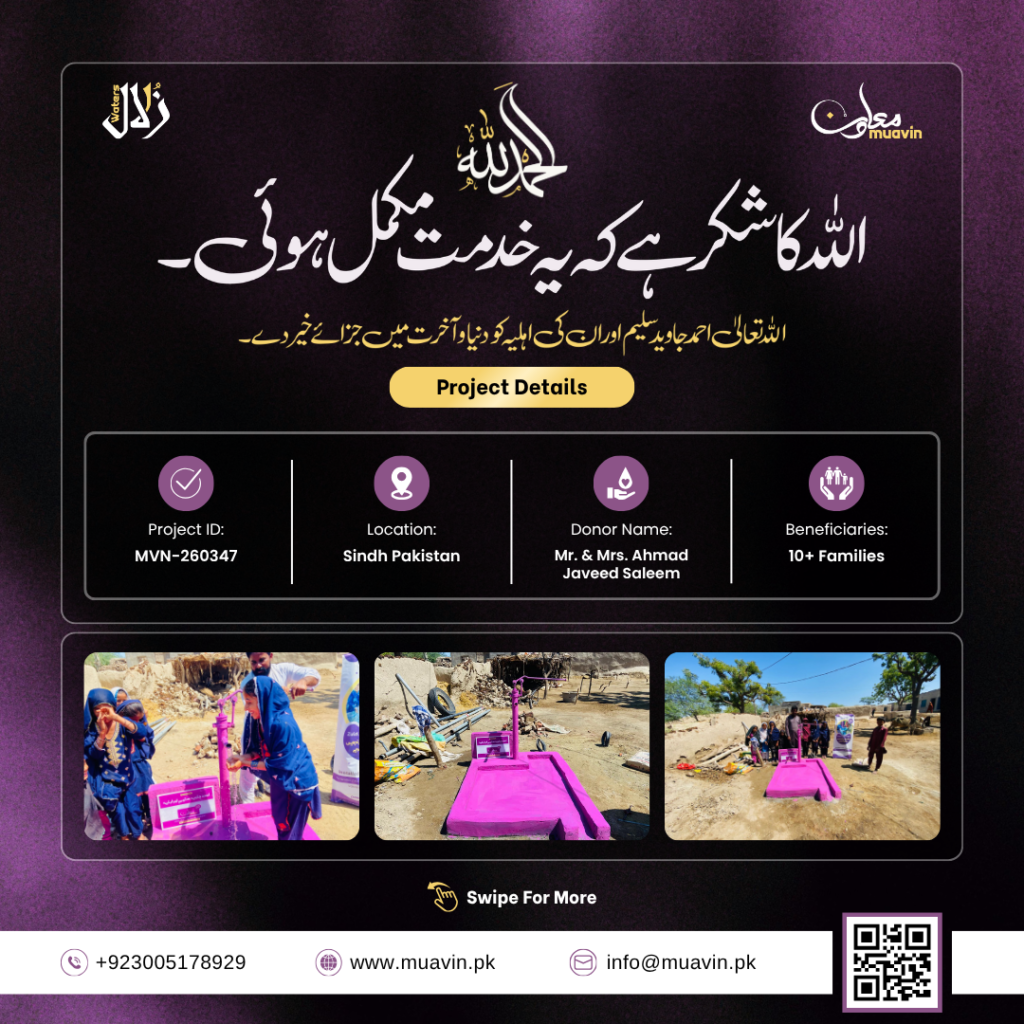
Muavin Society prioritizes transparency and accountability in every clean water project. Through the Muavin donor portal, supporters can track their hand pump installation and access verified project records at any time.
Key transparency features include:
• Verified beneficiary location for each installed hand pump
• GPS coordinates and site tracking for project verification
• Installation photos and videos uploaded to the donor portal
• Step-by-step progress updates during project implementation
• Long-term monitoring with 10 years maintenance and record-keeping guarantee
• Donors can review their project details anytime through the Muavin transparency portal
This approach ensures that every donation remains transparent, traceable, and accountable from installation to long-term community impact.
Practical Ways to Participate
Choosing pumps and programs
Match technology to local conditions:
- Family hand pumps are best for single households or a cluster of nearby homes where groundwater is shallow, and demand is limited (typically serving 20–30 people, including animals).
- Community pumps or boreholes suit larger settlements, schools, or clinics and require stronger governance and sometimes borehole drilling.
Ask implementers about local hydrogeology assessments, typical pump models (for example, Afridev or India Mark II in comparable contexts), and whether they run pilot installations before scaling.
Donation and gifting options
Most programs offer several ways to give:
- Full sponsorship: Fund an entire pump and its installation.
- Shared sponsorship: Co-fund a pump through pooled contributions; this can suit donors with modest budgets.
- Gift donations: Someone’s name; organisations often provide a commemorative certificate or report.
- Religious framing: Many donors treat long-term water access as Sadaqah Jariyah because the benefit continues for years. While different communities and scholars may interpret religious classifications differently, long-term service to people is common.
Frequently Asked Questions
How do family handpumps differ from a community pump?
A family hand pump is a small, manually operated borehole or well pump designed to serve one household or a few nearby households. It typically has lower flow rates and simpler maintenance needs than larger community pumps. Community pumps are sized and sited to serve dozens or hundreds and require different governance and spare-part logistics.
How many people can a single family hand pump reliably serve?
A typical family hand pump serves about 20–30 people plus nearby animals, depending on aquifer yield. Actual capacity varies with well depth, pump design, and daily demand patterns. Monitoring usage helps determine if additional pumps or water points are needed.
How should donors choose between donating a family hand pump or funding a community system?
Donors should assess population size, distance to the nearest water point, and institutional capacity for maintenance. Family pumps suit isolated households or clustered family compounds; community systems fit larger settlements or schools. Site-specific needs and long-term governance plans should drive the decision.
What steps are involved in site selection and community consultation?
Site selection includes hydrogeological assessment, accessibility, and land-rights checks. Community consultation establishes ownership, usage rules, and selects local caretakers. Inclusive engagement with women and marginalized groups ensures equitable access.
How long does the installation of a family hand pump typically take?
A standard hand pump installation can take from one to several days, and rig mobilization is needed. Time depends on site preparation, depth to water, and logistics for materials and labor. Adequate planning reduces delays and ensures quality installation.
What training do local users need to operate and maintain a hand pump?
Training covers basic operation, routine lubrication, unclogging filters, and simple part replacement. Caretakers should learn how to detect leaks, report faults, and keep a maintenance log. Periodic refresher training strengthens local capacity and pump longevity.
How are governance and ownership models typically structured for donated hand pumps?
Ownership models range from individual household ownership to community committees or water user associations. Clear roles for maintenance, cost-sharing for spare parts, and transparent decision-making are essential. Formalizing responsibilities reduces conflict and improves sustainability.
What spare parts are most critical to keep a family hand pump operational?
Critical spares include seals, washers, rods, valves, and fasteners specific to the pump model. Keeping a small, locally sourced inventory speeds repairs and avoids long downtime. Mapping nearby suppliers or training local fabricators improves resilience.
How should donors monitor and evaluate the impact of a donated hand pump?
Donors can track indicators such as operational uptime, number of users, water quality tests, and changes in time spent collecting water. Regular photographic documentation and community feedback provide qualitative context. Combining technical metrics with social outcomes helps measure health and gendered impacts.
What water quality risks remain after installing a hand pump?
Hand pumps can reduce exposure to surface contamination, but do not eliminate chemical contaminants like arsenic or fluoride. Regular testing and appropriate well depth and sealing are necessary to ensure safe water.
Can a hand pump support school or clinic water needs?
A family hand pump may suffice for a small school or clinic with low daily demand, but institutional needs often require larger-volume systems. Assess expected consumption for hygiene, sanitation, and clinical uses before selecting pump types. Prioritize reliable access and maintenance arrangements for public facilities.
How does donating a hand pump contribute to gender equity in rural Pakistan?
Closer, on-plot water access reduces time and physical burden, often borne disproportionately by women and girls. Improved water availability can increase opportunities for education, income generation, and hygiene practices. Involving women in site selection and governance ensures services meet their needs.
What if a donated pump runs dry soon after installation?
A rapid drop in yield suggests incorrect siting, drilling into a transient zone, or a seasonal water table. Conduct a hydrogeological reassessment and consider redrilling or deepening the well to a more reliable aquifer. Short-term coping measures include alternative water sources and storage while technical fixes are planned.
How do donors ensure transparency and accountability in hand pump projects?
Establish clear reporting templates, regular field visits, and community-endorsed records of work completed. Use independent verification, photographic evidence, and community feedback mechanisms. Transparent procurement and documented maintenance funds reduce misuse.
Are there public health benefits beyond drinking water from installing hand pumps?
Yes, improved handwashing, menstrual hygiene management, and sanitation practices often follow reliable water access. Reduced use of contaminated surface water can lower waterborne disease incidence. Benefits are maximized when water interventions pair with hygiene promotion.
Can donated hand pumps be integrated into emergency response for floods or displacement?
Hand pumps are useful in stable post-emergency sites where groundwater is accessible and safe. Rapid assessments must confirm aquifer safety, accessibility, and land rights before installation. In acute emergencies, combining pumps with temporary water trucking and purification may be necessary.
What metrics should donors request for projects’ success over time?
Key metrics include pump uptime percentage, number of beneficiaries, regular maintenance records, and water quality results. Social indicators like reduced time-to-collect water and school attendance changes for girls add context.
What monitoring frequency is recommended after installing a family hand pump?
Monthly visual checks by caretakers and quarterly technical inspections are a common baseline. Water quality testing should occur at installation and at least annually, with more frequent checks if issues arise. Adapt monitoring intensity to local risk factors and donor reporting needs.
How do hand pumps support small-scale irrigation and livestock without compromising household supply?
A family hand pump can support limited livestock watering and small garden irrigation if managed carefully. Establish usage schedules and separate storage to prevent overuse and contamination of potable water. Assess demand relative to aquifer capacity to avoid resource depletion.