
How Donated Water Systems Work
Donated water systems are often judged by their visible features, but long-term performance depends on how they operate, how they fail, and how communities maintain them. This article explains the mechanics of hand pumps and solar pumps, then outlines practical implementation workflows and evaluation criteria to support durable, equitable water access.
System Mechanics
This section explains the physical and operational principles behind common donated water systems, with an emphasis on how hand pumps and solar pumps function in the field. Understanding these mechanics clarifies why one technology may suit a particular community, hydrology, or maintenance environment better than another.
Hand Pump Operation
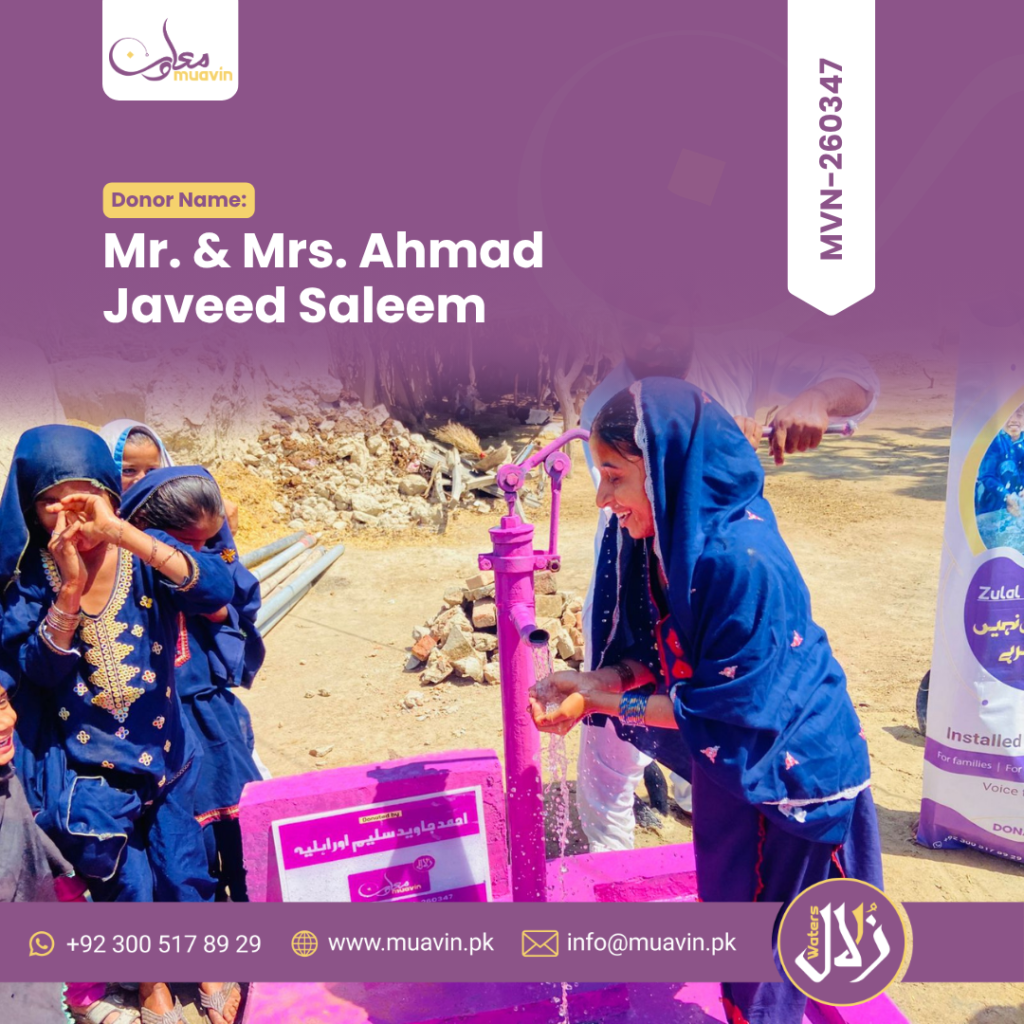
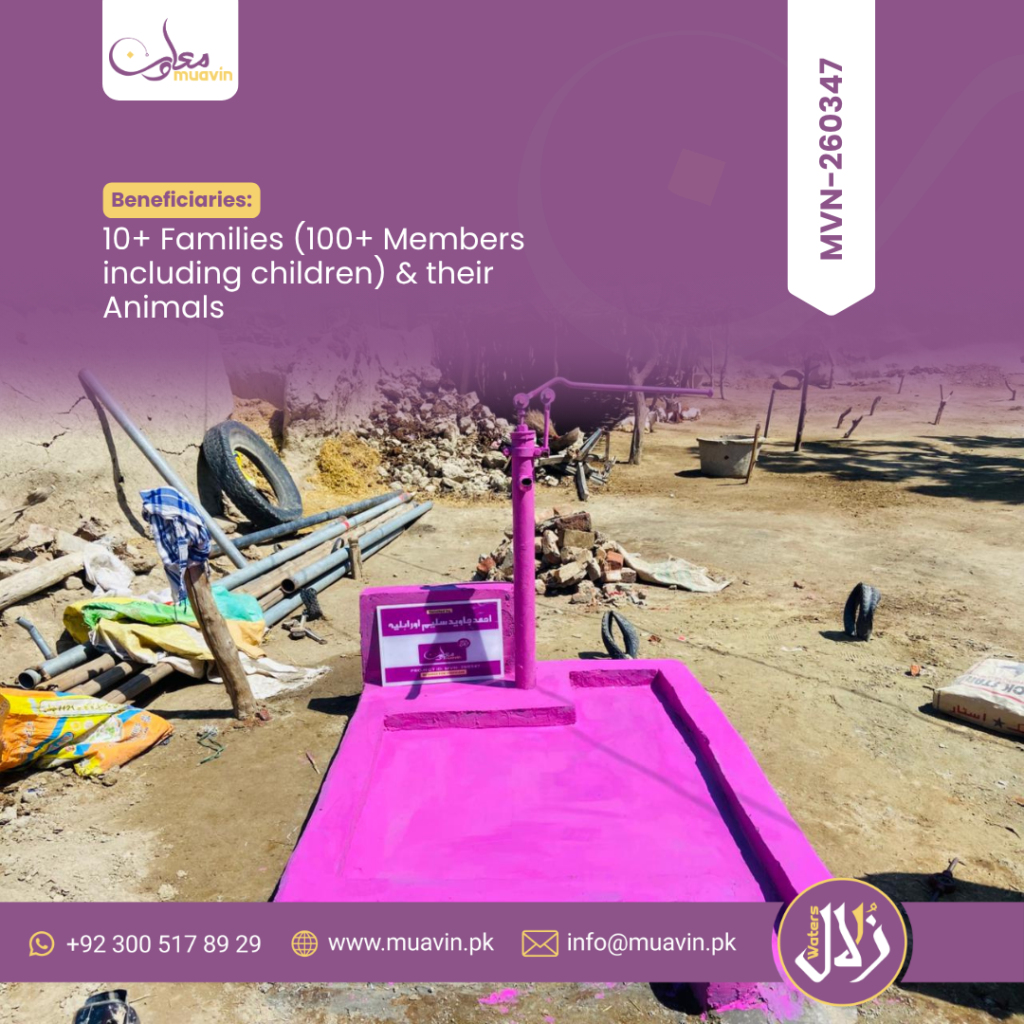
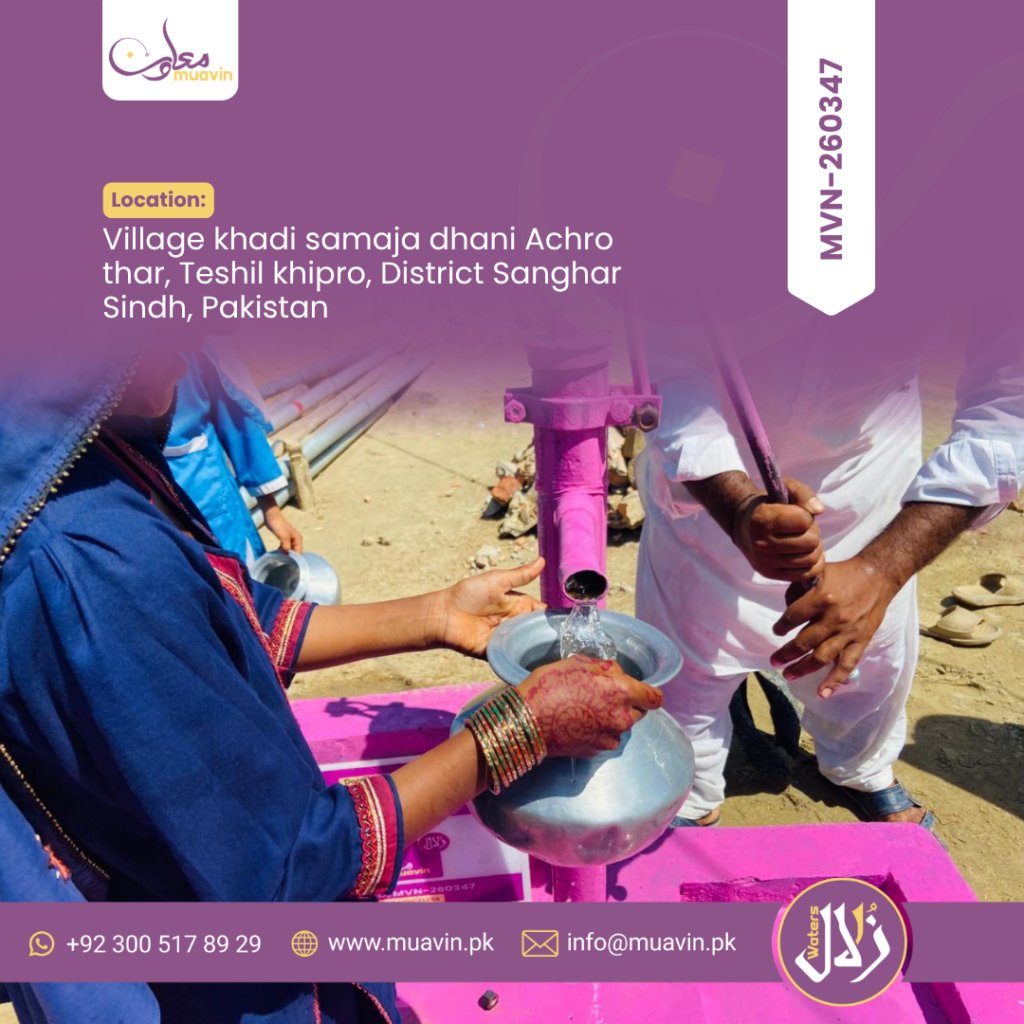
A hand pump is a mechanical device installed over a borehole or shallow well that lifts water using manual human force. Inside the borehole, a piston or plunger attached to a rod moves up and down within a cylinder. When the piston rises, a one-way valve in the piston or foot valve opens and draws water into the cylinder. On the downward stroke, the valve closes,s and water is pushed up the rising column into an aboveground spout.
Key operational points:
- Stroke frequency and stroke length determine flow rate; more or faster strokes yield more water per minute.
- Seals and valves are critical. Worn seals lead to loss of suction and rapidly falling output.
- The pump’s effective extraction depth is limited by its design. Traditional direct-action hand pumps are best for shallow to moderate-depth water tables (commonly up to 40–50 meters depending on model and local conditions).
If the foot valve biofouls or the leather/elastic seals age, the pump may begin to slip and deliver less water despite the same effort. This typically points to a mechanical problem rather than a water-source problem.
Solar Pump Operation
A solar pump converts solar energy into mechanical or electrical energy to drive a pump that lifts water from a borehole, well, or surface source. Photovoltaic (PV) panels produce DC electricity,y which powers a surface-mounted or submersible pump motor. The motor drives impellers or linear displacement components to raise water through piping to a storage tank or direct distribution point.
Key operational points:
- Pump performance follows solar irradiance. Peak output occurs during midday sun; panel and pump sizing determine daily energy and water yield.
- Solar controllers and inverters (when present) regulate voltage/current to protect the motor and optimize performance.
- Storage (usually gravity tanks) decouples variable solar production from steady household demand, enabling water availability during non-sun hours.
On cloudy days, production drops. Without adequate storage, a community may experience reduced supply despite a working pump. This often indicates a mismatch between storage capacity, solar variability, and demand.
Source Depth and Hydrology
Both technologies are constrained by the water source type, static water level, aquifer yield, and seasonal variability. A reliable yield assessment requires measuring static water level, conducting a pump test or test borehole, and reviewing seasonal fluctuations.
Practical points:
- Low-yield aquifers or rapidly declining water tables may not sustain high-capacity solar pumps. Excess pumping can cause drawdown or dry wells.
- Hand pumps are typically better matched to low-to-moderate yield sources because flow is limited by human effort, which naturally limits over-extraction.
- For deep aquifers, submersible solar pumps or borehole-adapted systems are necessary. Shallow hand pumps may be physically incapable of reaching productive depths.
A village with a shallow but seasonally variable aquifer may see hand pump output reduce in dry months. A small solar pump sized to the average sustainable yield, with adequate storage, can smooth delivery, but it risks overdrawing if incorrectly sized.
Energy and User Patterns
Hand pumps and solar pumps create different interaction patterns between users and the system, which affect long-term performance.
Mechanics of interaction:
- Hand pumps require daily human effort. Usage is distributed across community members and may be interrupted when the mechanical system fails or becomes hard to operate.
- Solar pumps shift labor from pumping to system oversight and minor electrical or engineering-type maintenance. Water delivery is often centralized into storage tanks, changing access patterns and responsibility for collected water.
Central storage tanks filled by a solar pump may encourage informal gatekeeping of water if governance structures are weak. Conversely, dispersed hand-pump points keep access decentralized but can complicate centralized water quality treatment.
Failure Modes and Diagnosis
Understanding typical failure modes helps communities and donors plan maintenance and training.
Hand pump failures:
- Worn seals, broken connecting rods, and corroded handles are common. Diagnosis often follows simple steps: check handle motion, listen for water movement, and remove the pump head to inspect the rod condition.
- If the pump handle is loose and water flow is absent, likely causes include broken rods or failed piston/valve seals.
Solar pump failures:
- Failures often relate to electrical issues (panel damage, wiring faults), controller faults, clogged intake screens, or submersible motor bearing failure.
- A typical diagnostic sequence is to verify PV array output under sun, inspect controller error indications, check wiring and fuses, then test pump performance with a known-good power source if possible.
Understanding these mechanical behaviors and diagnostic steps helps implementers choose technology that matches local technical capacity and supply-chain realities.
Implementation Workflows
This section describes the processes, governance arrangements, and maintenance workflows that make water system donations operationally sustainable. The focus is on practical sequences and frameworks that donors, NGOs, and community leaders can use to evaluate and support hand pumps and solar pumps.
Pre-Installation Assessment
A thorough assessment reduces failure risk and aligns technology to context. Core steps include:
- Hydrological survey: measure static water level, conduct a pump test to determine sustainable yield, and map seasonal variation.
- Geographic and access survey: evaluate transport logistics, road access for heavy equipment, and distance to spare-parts suppliers.
- Community needs and governance mapping: identify water demand patterns, number of users, existing water committees, and local technical
Evaluation Criteria
Choosing the right water solution begins with a structured evaluation of technical fit, community capacity, finances, and long-term stewardship. Below are practical criteria donors and program planners should use when comparing options.
Community Size and Demand
Estimate current and projected demand before selecting a technology. A village of 200–500 people typically needs a different approach than a cluster of households or a peri-urban neighborhood.
- Small, dispersed settlements often benefit from several hand pumps or protected springs located near homesteads.
- Larger villages or market towns may require a communal piped system with storage tanks and taps.
- Seasonal population changes (markets, schools, migration) change peak demand and should influence system size and storage.
Match system capacity to realistic use: safe water for drinking/cooking and additional needs like livestock or small irrigation when culturally relevant.
Hydrogeology and Reliability
Groundwater depth, aquifer type, and seasonal recharge determine which technology will be reliable.
- Shallow wells and hand pumps work where the water table is accessible year-round.
- In semi-arid regions with deep aquifers, consider boreholes with submersible pumps powered by diesel or solar.
- Rainwater harvesting is viable in areas with sufficient, predictable rainfall and for communities with good roof infrastructure.
Insist on an initial hydrogeological survey and, if available, a yield test report. Programs that skip these steps increase the risk of failed installations and wasted donor funds. For context, large NGOs like Water.org and UNICEF typically fund drilling only after a local hydrogeological assessment.
Maintenance and Complexity
Evaluate the local capacity to operate and repair the chosen system.
- Hand pumps: low complexity, locally repairable parts, easier to train community technicians.
- Solar-powered boreholes: moderate complexity, higher upfront cost, require electrical troubleshooting skills and access to spare parts.
- Piped systems with treatment: higher complexity and depend on a management body or utility to maintain treatment processes and pressure management.
Ask whether spare parts are available locally and whether a supply chain exists for critical components. Programs that include a local maintenance fund and technician training generally have better uptime.
Costs and Transparency
Compare not just upfront capital costs but life-cycle costs: maintenance, spare parts, replacement, and utility operations.
- Typical ballpark ranges (varies by country and site conditions):
- Basic hand pump: PKR 50K
- Hybrid solar pump: PKR 140K
Transparency: Request itemized budgets, procurement records, and documentation of community contributions.
Programs that publish audited financials, community cost-sharing agreements, and maintenance funds score higher on transparency. If you want to review how one program balances costs and local engagement, see this clean water project (/projects/clean-water) for an example of budget breakdown and community co-financing.
Monitoring and Feedback
Sustainable impact requires ongoing monitoring and a clear feedback loop.
- Functionality rate, water quality test results, user satisfaction, and tariff collection efficiency.
- Look for programs with routine monitoring schedules, third‑party water quality testing, and mechanisms for beneficiaries to report problems.
Donor-supported initiatives that include independent verification and publish periodic impact reports are easier to evaluate for performance and long-term viability.
Support Options
Once you’ve evaluated options, decide how you want to support or participate. The choices affect transparency, beneficiary impact, and sustainability.
Direct vs Restricted Funding
Direct (unrestricted) funding gives implementers flexibility to respond to site realities, but restricted funding ensures your gift goes to specific activities.
- Unrestricted funds are useful for gap financing and emergency repairs.
- Restricted donations earmarked for drilling, training, or maintenance can be tracked against a defined deliverable.
Ask implementers how they manage restricted funds, how they report expenditures, and whether they maintain contingency reserves for unforeseen costs.
Hardware vs Operations Funding
Hardware purchases create assets, but operations and maintenance determine longevity.
- Sponsoring a hand pump or borehole covers tangible capital costs and is a visible contribution.
- Funding operations (maintenance fund, technician salaries, spare parts stock) supports long-term uptime and often yields greater lasting impact.
Conclusion
Donated water systems succeed when technology choices match local hydrology, demand, and maintenance capacity. Hand pumps and solar pumps each have distinct operating constraints, failure modes, and user impacts. Long-term reliability depends on careful assessment, realistic sizing, trained local support, and transparent monitoring.
Frequently Asked Questions
What are the main differences between a hand pump and a solar pump for a donation project?
Hand pumps are manually operated, simple to repair, and well-suited to shallow wells and small communities. Solar pumps use photovoltaic panels to power submersible or surface pumps, offering higher flow rates and a reliable supply where sunlight is abundant. Choice depends on groundwater depth, community needs, technical capacity, and long-term maintenance plans.
How do I determine if a community needs a hand pump or a solar-powered solution?
Assess population size, daily water demand, groundwater depth, seasonal variability, and local technical skills. Hand pumps work for low-to-moderate demand and shallow aquifers; solar pumps suit higher demand, deeper boreholes, or irrigation. Include community leaders in the needs assessment to capture real usage patterns.
What site conditions make hand pumps unsuitable?
Hand pumps are unsuitable for deep boreholes, very high daily water needs, and situations where users cannot perform repeated manual pumping. They also struggle with heavily contaminated or high-salinity groundwater that requires treatment. If the water table is consistently deep or demand will grow, consider powered options.
What site conditions favor solar pumps over hand pumps?
Solar pumps are favorable when groundwater is deep, when communities have high potable or agricultural demand, and where sunlight is reliable. They work well for schools, health centers, or irrigation projects that require continuous or higher-volume supply. Ensure local capacity for electrical or mechanical maintenance.
How should groundwater depth influence my donation choice?
Hand pumps or shallow electric pumps can often serve shallow wells (typically under ~50 meters); deeper aquifers usually require submersible solar pumps. Accurate depth and yield testing are crucial during site assessment to match pump type to aquifer characteristics and ensure long-term functionality.
Can a community transition from a hand pump to a solar pump later?
Yes, many projects start with a hand pump and upgrade to solar as needs grow or funding becomes available. Plan for compatibility, select borehole casings and piping that can accommodate future submersible pumps, and document installation details for smooth upgrades.
What are the most common maintenance needs for hand pumps?
Hand pump maintenance typically includes replacing worn seals, rods, and bearings, lubricating moving parts, and checking for corrosion or leaks. These repairs are often straightforward and can be trained to local technicians, improving repair turnaround and system uptime.
What maintenance and technical support do solar pumps require?
Solar pumps require periodic cleaning of panels, inspection of electrical connections, controller checks, and occasional motor or pump repairs. Spare inverters, controllers, wiring, and pump parts are important to stock or source quickly through local suppliers or partner NGOs.
How do spare parts availability and supply chains affect my donation decision?
Reliable access to spare parts determines long-term sustainability. Hand pumps benefit from simple, locally available parts in many regions; solar pumps need specific electrical and mechanical components. Choose technologies with accessible supply chains and consider training local suppliers.
How can I assess a community’s capacity to manage the donated water system?
Evaluate local governance structures, existing water committees, technical skills, willingness to form maintenance funds, and previous experience operating communal infrastructure. Include social mapping and interviews to confirm responsibility, equity, and long-term management willingness.
Should I prioritize community training and capacity building with the donation?
Yes. Training local technicians and water committees reduces downtime and increases ownership. Capacity building should cover routine maintenance, troubleshooting, simple repairs, record-keeping, and basic financial management for maintenance funds.
What if the community lacks the technical skills to maintain a solar pump?
If local technical skills are limited, plan for phased training, establish a regional maintenance provider, or consider hybrid options that reduce complexity. Ensure a clear maintenance plan, accessible spare parts, and external technical support agreements for the early years.
Can donated water systems be combined with water quality testing and treatment?
Yes. Donating a pump should be integrated with water quality assessment and, if necessary, appropriate treatment solutions such as filtration, chlorination, or safe storage. Addressing water quality at the outset protects health outcomes and prevents rejection of new water sources.
How do seasonal changes affect the choice between hand and solar pumps?
Seasonal water table fluctuations can make hand pumps ineffective during dry seasons if the water table drops below the pump’s reach. Solar pumps may continue to perform if the aquifer yield supports pumping. Include seasonal hydrogeological data in site assessments to avoid seasonal failures.
What are common funding and sustainability models for ongoing maintenance?
Typical models include community maintenance funds, pay-per-use schemes, local government support, or NGO-managed maintenance contracts. Select models that match local economic realities, ensure transparency, and provide predictable funds for spare parts and technician fees.
How do gender and labor dynamics influence pump selection and siting?
Consider who collects water and the time burden; hand pumps can increase physical labor often borne by women and children, while solar pumps can reduce collection time. Site selection should minimize travel and ensure safety, with community consultation to address gendered impacts and labor shifts.
Are there environmental concerns when donating solar pumps?
Environmental considerations include land use for panels, potential over-extraction of groundwater, panel disposal at end-of-life, and impacts on local ecosystems from altered water availability. Implement resource monitoring, sustainable abstraction rates, and disposal planning to mitigate risks.
How do I ensure a donated system does not lead to groundwater depletion?
Conduct hydrogeological assessments, estimate sustainable yield, and design abstraction limits or pump schedules consistent with recharge rates. Combine demand management, user education, and monitoring to prevent over-extraction and protect long-term water security.
What monitoring and evaluation practices should be set up after the donation?
Set up regular performance checks, water quality testing, user satisfaction surveys, and reporting on downtime and repairs. Use clear indicators for functionality, service levels, and financial health of maintenance schemes to inform adaptive management and accountability.
Can hybrid systems (hand + solar backup) be effective for donations?
Yes. Hybrid systems provide resilience: hand pumps can serve as a backup during solar system outages or for peak demand. Design hybrids carefully to avoid redundancy, ensure compatibility of components, and train users on operation and when to switch modes.
What legal or permitting issues should donors consider?
Check local water rights, well-digging permits, land tenure for siting equipment, and regulatory compliance for electrical installations. Engage local authorities early to secure permissions and align the project with national water resource management policies.
Is it appropriate to donate used or refurbished pumps, and what should I check?
Used or refurbished pumps can be viable if they are in good working order, compatible with the site, and come with tested components and documentation. Verify corrosion, wear, spare part compatibility, and include a warranty or handover testing protocol before donation.
How long do hand pumps and solar pumps typically last with proper maintenance?
With routine care, hand pumps can function reliably for many years—often decades—while solar pumps and panels typically have multi-year lifespans but require periodic component replacement. Lifespan depends on the quality of installation, operating conditions, and maintenance regimes.
How should water quality concerns influence pump choice for donation programs?
If water has contaminants requiring treatment (microbial, chemical, or salinity), choose pumping solutions compatible with onsite treatment technologies and safe storage. Solar systems may enable powered treatment, whereas hand pump sites may need gravity or manual treatment options.
What indicators show a donated pump project is successful in the first year?
Early success indicators include high uptime, regular preventive maintenance, user adoption and satisfaction, functioning management committees, and transparent records of repairs and funds. Rapid resolution of initial technical issues also signals a strong project setup.
How can donors support long-term technical capacity without creating dependency?
Focus on training local technicians, strengthening supply chains for spare parts, creating locally managed maintenance funds, and establishing regional support networks. Use time-bound external support that transitions to local ownership with clear milestones.
What risk mitigation steps reduce the chance that a donated pump will fail quickly?
Carry out thorough site and hydrogeological assessments, select appropriate technology for local conditions, ensure quality installation, train users and technicians, and establish spare parts availability and maintenance financing. Include contingency plans for common failure modes.
How do I evaluate the social equity impacts of donating a particular water system?
Assess who will access water, whether the system reduces or shifts labor burdens, potential exclusion of marginalized groups, and whether cost-recovery models are equitable. Engage diverse community voices in planning and monitor social outcomes after installation.