Muharram is the first month of the Islamic calendar and one of the four sacred months in Islam. It marks the beginning of the Islamic New Year and holds deep religious, spiritual, and historical significance for Muslims worldwide.
For many people, Muharram is associated with Ashura, fasting, remembrance, reflection, and important lessons from Islamic history. It is also a time when Muslims increase worship, charity, patience, and acts of compassion.
In 2026, Muharram 1448 AH is expected to begin around mid-June, depending on moon sighting announcements in different countries. Ashura, the 10th day of Muharram, is expected around 25–26 June 2026.
- Why Water Charity Is One of the Best Sadaqah in Muharram
- This Muharram, Help Villages Still Struggling for Pure Water
- Donate a Hand Pump in Memory of Loved Ones This Muharram
- This Muharram, Donate Water and Earn Lasting Sadaqah Jariyah
- Why Community Water Projects Matter More Than Temporary Aid
- How Sustainable Water Infrastructure Helps Rural Pakistan
What Is Muharram in Islam?
Muharram is the opening month of the Hijri Islamic calendar. The word “Muharram” comes from an Arabic root meaning “forbidden” or “sacred,” reflecting the special status of this month in Islam. It is one of the four sacred months mentioned in the Quran during which Muslims are encouraged to increase righteousness, worship, and good deeds.
The four sacred months in Islam
- Muharram
- Rajab
- Dhul Qa’dah
- Dhul Hijjah
These months carry spiritual significance and encourage believers to focus more on faith, worship, and reflection. Muharram is therefore not only the beginning of a new Islamic year. It is also a reminder of spiritual renewal and personal accountability.
Why Muharram Is Important in Islam
Muharram holds importance for several reasons.
It is one of the sacred months.
The Quran mentions four sacred months during which righteousness and worship carry special significance. Muharram is among these honored months.
It marks the Islamic New Year.
The first day of Muharram begins a new Hijri year for Muslims worldwide.
Ashura falls within Muharram.
The 10th day of Muharram, known as Ashura, is one of the most spiritually significant days in Islamic history.
Voluntary fasting is highly recommended.
Authentic Hadith narrations describe fasting during Muharram as among the best voluntary fasts after Ramadan.
Muharram as a Month of Reflection
Unlike many New Year celebrations around the world, the Islamic New Year is generally observed with reflection rather than festivity.
For many Muslims, Muharram becomes a time to:
- strengthen worship
- increase voluntary fasting
- recite the Quran more regularly
- reflect on faith and character
- engage in charity and help others
This spiritual atmosphere is one reason Muharram continues to hold deep meaning across Muslim communities globally.
Islamic New Year & Beginning of the Hijri Calendar
The Islamic calendar, also called the Hijri calendar, begins with Muharram.
The Hijri system was established based on the migration of Prophet Muhammad ﷺ from Makkah to Madinah, an event known as the Hijrah.
What does “Hijri” mean?
The word “Hijri” comes from “Hijrah,” referring to migration. This migration marked a turning point in Islamic history and later became the starting point of the Islamic calendar.
What does 1448 AH mean?
- AH stands for “After Hijrah.”
- It refers to years after the migration of the Prophet Muhammad ﷺ
- Muharram 2026 marks the beginning of the Hijri year 1448 AH
Because the Islamic calendar follows lunar cycles, Islamic months move earlier every Gregorian year.
Why Islamic Months Change Every Year
The Islamic calendar is lunar, not solar. A lunar year is around 10 to 11 days shorter than the Gregorian solar year. Because of this, Muharram, Ramadan, Eid, and other Islamic events shift earlier each year.
Why Muharram dates differ between countries
Islamic months officially begin after confirmation of moon sighting.
- Pakistan may begin Muharram on one day
- Saudi Arabia may begin earlier or later
- India and other countries may differ slightly
This is why online Muharram dates are projections until official moon-sighting announcements are made.
The Spiritual Atmosphere of Muharram
Muharram is often described as a month of remembrance, worship, patience, and reflection. Across different Muslim communities, the first ten days of Muharram are observed through:
- fasting
- prayers
- Islamic lectures
- remembrance gatherings
- Quran recitation
- acts of charity
For many Muslims, Muharram also becomes a time to reconnect with Islamic history and the values of sacrifice, truth, compassion, and helping humanity.


What Is Ashura in Islam?
Ashura is observed on the 10th day of Muharram and is one of the most important days in the Islamic calendar. The word “Ashura” comes from the Arabic word for “ten,” referring to the tenth day of Muharram. For Muslims around the world, Ashura is associated with fasting, remembrance, reflection, sacrifice, and major events from Islamic history.
In 2026, Ashura is expected around 25–26 June, depending on moon sighting announcements in different countries.
Why Is Ashura Important?
Ashura holds deep significance for multiple reasons in Islamic tradition.
In Sunni Islamic tradition
Ashura is connected with Prophet Musa (AS) and the Children of Israel. According to authentic Hadith narrations, Prophet Muhammad ﷺ learned that Musa (AS) fasted on this day in gratitude after Allah saved him and his people from Pharaoh. The Prophet ﷺ also fasted on Ashura and encouraged Muslims to observe fasting on this day.
Because of this, fasting on Ashura became a highly recommended Sunnah practice.
In Shia Islamic tradition
Ashura is also associated with the martyrdom of Imam Hussain (RA), the beloved grandson of Prophet Muhammad ﷺ, during the Battle of Karbala.
For Shia Muslims, Muharram and Ashura are deeply emotional periods marked by remembrance gatherings, reflection, and honoring the sacrifice made at Karbala.
Important note
Muslims around the world may observe Ashura differently, but its religious and historical importance is respected across Islamic traditions.
The Story of Karbala
One of the most well-known events connected with Muharram is the Battle of Karbala. This event took place in 680 CE in present-day Iraq and became one of the defining moments in Islamic history.
Imam Hussain (RA) and Karbala
Imam Hussain (RA), the grandson of Prophet Muhammad ﷺ, stood against injustice and oppression during a difficult political period in Islamic history.
He and his companions faced extreme hardship in Karbala, including thirst, suffering, and isolation. The events of Karbala are remembered for values such as:
- sacrifice
- patience
- courage
- justice
- steadfast faith
- compassion for humanity
For many Muslims, Karbala represents standing for truth even in the face of hardship.
Thirst and Water Symbolism in Karbala
One of the most emotional aspects of Karbala is the suffering caused by the lack of water. Historical narrations describe how Imam Hussain (RA), his family, and companions endured severe thirst during the events of Karbala.
Because of this, water later became a powerful symbol connected with Muharram across many Muslim communities. This is one reason why activities such as:
- water distribution
- sabeel stalls
- helping travelers
- supporting clean water projects
became closely associated with Muharram in many regions. The symbolism of helping the thirsty continues to inspire charitable efforts today.
Fasting in Muharram
Fasting during Muharram is considered highly virtuous in Islam. The Prophet Muhammad ﷺ described fasting during Muharram as among the best voluntary fasts after Ramadan.
Which days are recommended for fasting?
Islamic scholars commonly recommend:
- fasting on the 9th and 10th Muharram
- or fasting on the 10th and 11th Muharram
Why do Muslims fast on Ashura?
According to Hadith narrations, fasting on Ashura is associated with the forgiveness of sins from the previous year for those who fast sincerely seeking Allah’s mercy.
Practical Muharram Fasting Guide
| Islamic Date | Expected 2026 Date | Recommended Practice |
|---|---|---|
| 9 Muharram | Around 24 June 2026 | Optional fasting |
| 10 Muharram (Ashura) | Around 25–26 June 2026 | Highly recommended fasting |
| 11 Muharram | Around 26–27 June 2026 | Optional additional fasting |
Dates may vary depending on moon sighting announcements.
Lessons Muslims Learn From Muharram
Muharram is not only about historical events. It is also a month filled with spiritual and moral lessons. For many Muslims, Muharram becomes a reminder of:
- Patience in hardship: The events associated with Ashura and Karbala teach perseverance in difficult times.
- Sacrifice for truth: Imam Hussain (RA) is remembered for standing firmly for justice and principle.
- Compassion and helping others: Muharram encourages generosity, charity, and concern for people in need.
- Reflection and self-improvement: Many Muslims use Muharram to reflect on their faith, character, and personal actions at the beginning of the Islamic year.
Muharram Around the World
Muharram is observed differently across Muslim communities worldwide. Common Muharram activities include
- fasting on Ashura
- Islamic lectures and gatherings
- Quran recitation
- remembrance gatherings
- charity distribution
- Sabeel water stalls
- helping low-income families
In countries such as Pakistan, Iraq, India, Iran, and many other regions, Muharram also includes community events and public gatherings during the first ten days.
Why Water Charity Is Common During Muharram
One of the most emotional and widely remembered aspects of Karbala is the suffering caused by thirst.
Historical accounts of Karbala describe how Imam Hussain (RA), his family, and companions faced severe hardship without access to water during the events leading to Ashura. Because of this, water later became a powerful symbol of compassion, humanity, and service during Muharram.
Across many Muslim communities, helping the thirsty became closely connected with the lessons of Muharram. This is why Muharram is often associated with:
- Sabeel water distribution
- providing cold drinking water
- supporting clean water projects
- helping travelers and poor communities
- acts of Sadaqah Jariyah
For many Muslims, giving water during Muharram is not only charity. It is also a reminder of compassion, mercy, and caring for humanity.
Helping the Thirsty in Islam
Water holds a special place in Islamic teachings. Providing water to people in need is considered among the most beneficial forms of charity because it directly supports life and daily survival.
Many Islamic scholars and charitable organizations, therefore, encourage:
- water wells
- hand pumps
- filtration systems
- community water access projects
as forms of ongoing charity that continue benefiting people long after the donation is made.
This is one reason water charity becomes especially meaningful during Muharram, when many Muslims reflect on the suffering, patience, and sacrifice connected with Karbala.
Sadaqah Jariyah and Long-Term Charity
Muharram also encourages reflection on long-term impact and helping future generations. This is where the concept of Sadaqah Jariyah becomes important.
Sadaqah Jariyah refers to charity that continues benefiting people over time. Water projects are commonly associated with this because families and communities may continue using them daily for years.
- hand pump installations
- community water systems
- Solar water projects
- clean drinking water access initiatives
These projects not only help communities practically, but also address real humanitarian needs in water-stressed regions.
Water Shortages and Communities in Need
In many rural areas of Pakistan, clean drinking water remains a serious challenge.
Communities in regions such as:
- Layyah
- Muzaffargarh
- Interior Sindh
- South Punjab
often struggle with water shortages, unsafe water sources, or long travel distances for clean drinking water. Because of this, many charitable efforts during Muharram focus on helping vulnerable communities gain reliable access to clean water.
Turning Muharram Lessons Into Real-World Impact
Muharram teaches lessons about:
- compassion
- service
- helping humanity
- standing with vulnerable people
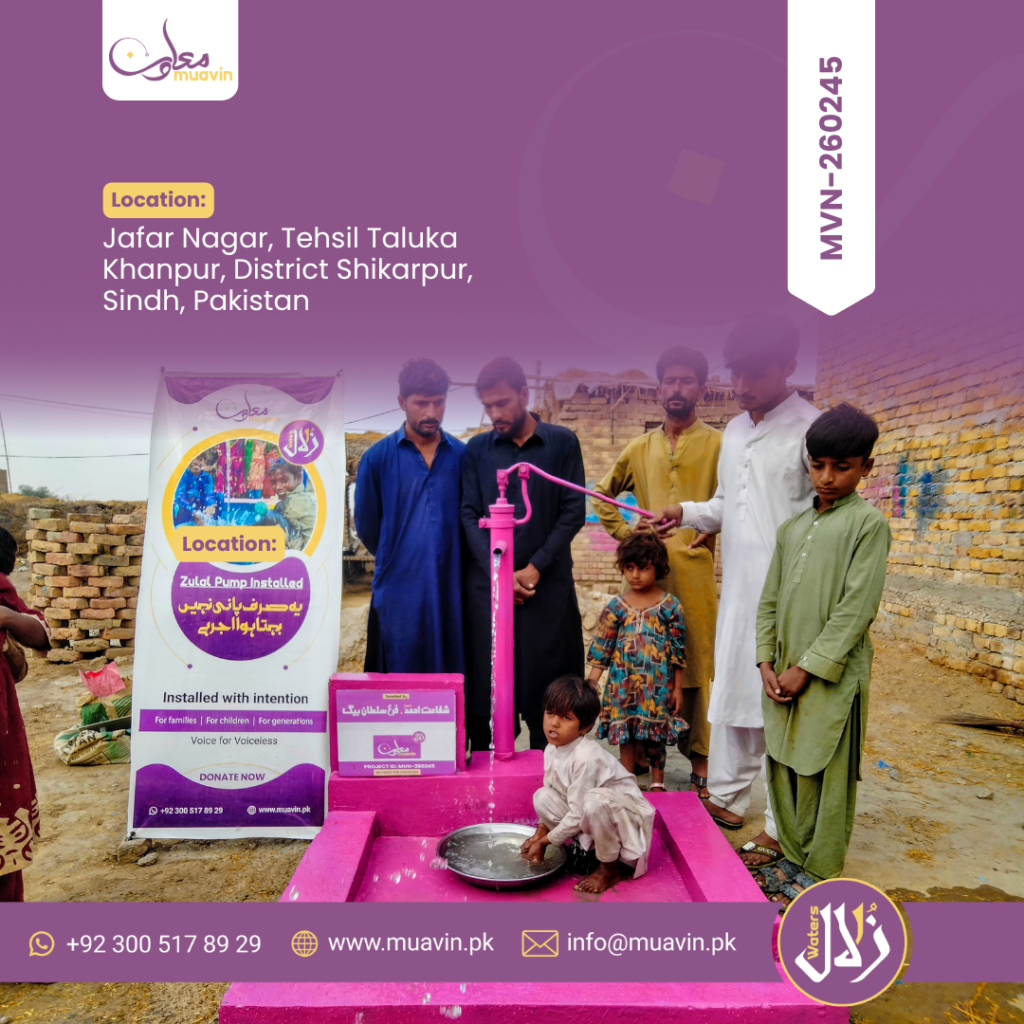
For many Muslims today, these values inspire practical charitable work. Organizations such as Muavin Welfare Foundation also support long-term clean water initiatives and Sadaqah Jariyah projects that help communities facing water shortages.
Their initiatives include:
These types of projects reflect broader Islamic values of helping the thirsty, serving humanity, and creating long-term benefit for communities in need.
Muharram as a Month of Compassion and Service
While Muharram is often discussed in historical terms, it also encourages Muslims to consider how those lessons apply today.
For many people, Muharram becomes a time to:
- support struggling families
- increase charity
- help people facing hardship
- provide food and water
- strengthen compassion toward others
This practical side of Muharram is one reason charitable activities increase during the first ten days of the Islamic year.
Common Misunderstandings About Muharram
Muharram is sometimes misunderstood as being only about mourning or historical remembrance. In reality, Muharram is also associated with:
- worship
- fasting
- charity
- patience
- reflection
- compassion
- spiritual renewal
Different Muslim communities may observe Muharram differently, but the month remains deeply important across the Muslim world.
Muharram Around the World
Muharram is observed globally across many cultures and Muslim communities.
Common Muharram observances include
- fasting on Ashura
- Islamic lectures and gatherings
- majalis and remembrance events
- Quran recitation
- charitable activities
- water distribution
- helping low-income families
In countries such as Pakistan, Iraq, India, Iran, and many other regions, Muharram also includes public gatherings, community programs, and acts of service.
Frequently Asked Questions About Muharram in Islam
What is Muharram in Islam?
Muharram is the first month of the Islamic calendar and one of the four sacred months in Islam. It marks the beginning of the Islamic New Year and is associated with worship, reflection, fasting, charity, and important events in Islamic history.
Why is Muharram important?
Muharram is important because it is:
- one of Islam’s sacred months
- the beginning of the Hijri year
- The month in which Ashura occurs
- a time associated with fasting and reflection
For many Muslims, Muharram is also connected with lessons of patience, sacrifice, compassion, and helping humanity.
What is Ashura in Islam?
Ashura is observed on the 10th day of Muharram.
- For Sunni Muslims, Ashura is associated with fasting and the story of Prophet Musa (AS).
- For Shia Muslims, it is also connected with the remembrance of Imam Hussain (RA) and the events of Karbala.
Ashura remains one of the most spiritually significant days in the Islamic calendar.
Why do Muslims fast on Ashura?
Fasting on Ashura is a Sunnah practice encouraged in authentic Hadith narrations.
The Prophet Muhammad ﷺ fasted on Ashura and encouraged Muslims to fast on this day. Many scholars recommend fasting on:
- 9th and 10th Muharram
- or 10th and 11th Muharram
Fasting on Ashura is associated with seeking Allah’s mercy and forgiveness.
What happened in Karbala?
The Battle of Karbala took place in 680 CE and involved Imam Hussain (RA), the grandson of Prophet Muhammad ﷺ. The events of Karbala are remembered for:
- sacrifice
- patience
- justice
- courage
- steadfastness in faith
The suffering and thirst experienced during Karbala also became deeply connected with themes of compassion and helping the needy.
Why is water charity associated with Muharram?
Water became symbolically connected with Muharram because of the thirst and suffering remembered during the events of Karbala.
As a result, many Muslims increase:
- water distribution
- sabeel arrangements
- hand pump donations
- clean water projects
during Muharram as acts of compassion and Sadaqah Jariyah.
Organizations such as Muavin Welfare Foundation also support long-term clean water initiatives in vulnerable communities.
What are the four sacred months in Islam?
The four sacred months are:
- Muharram
- Rajab
- Dhul Qa’dah
- Dhul Hijjah
These months hold special spiritual significance in Islam and encourage increased worship and righteous actions.
What is the Islamic New Year?
The Islamic New Year begins on the 1st of Muharram. It marks the beginning of the Hijri calendar, which is based on the migration (Hijrah) of the Prophet Muhammad ﷺ from Makkah to Madinah. Muharram 2026 marks the beginning of the Hijri year 1448 AH.
Is Muharram only about mourning?
No. While remembrance is an important part of Muharram for many Muslims, the month is also associated with:
- worship
- fasting
- charity
- reflection
- patience
- helping humanity
Muharram carries broad spiritual importance across the Muslim world.
Why do Muharram dates change every year?
The Islamic calendar follows the lunar cycle rather than the Gregorian solar calendar. Because a lunar year is shorter, Islamic months move earlier every year in the Gregorian calendar. The final Muharram dates are also confirmed after official moon-sighting announcements.
Final Reflection
Muharram is more than the beginning of a new Islamic year. It is a month filled with spiritual meaning, historical lessons, and opportunities for reflection and compassion. For Muslims around the world, Muharram represents:
- faith and worship
- patience during hardship
- sacrifice for truth
- helping humanity
- remembrance and reflection
- charity and service to others
Ashura, Karbala, fasting, and acts of compassion all contribute to the deep significance of this sacred month. Muharram also reminds people that Islamic teachings are not only about remembering history, but also about applying their lessons through justice, kindness, patience, and helping those in need today.
Whether through worship, fasting, supporting families, or helping provide clean water to vulnerable communities, many Muslims continue to carry the values of Muharram into real-world action and service. Muharram is not only the beginning of the Islamic year but also a reminder of faith, sacrifice, compassion, patience, and service to humanity.