
📋 Table of Contents: Guide to Supporting Orphans in Pakistan
Every child deserves the opportunity to grow up with dignity, safety, education, and appropriate care. When donors choose to support orphans in pakistan responsibly, they ensure that vulnerable children receive comprehensive educational backing, nutritious sustenance, and healthcare while preserving their inherent self-respect and family bonds.
Responsible orphan sponsorship in Pakistan goes beyond providing financial assistance. It involves understanding children’s individual needs, supporting their education and well-being, strengthening appropriate family relationships, and protecting their dignity through accountable charitable giving.
According to the Pakistan Education Statistics 2023–24 report, approximately 25.15 million children aged 5–16 were out of school, representing 35% of Pakistan’s school-age population.
Although these figures are not specific to orphaned children, they highlight the broader educational challenges that welfare programmes seek to address.
Whether you are considering monthly sponsorship, a one-time donation, Zakat, or Sadaqah, understanding how responsible orphan care works can help you make a more informed contribution.
How Can You Support Orphans in Pakistan Responsibly?
Choose a credible child welfare organisation, understand its sponsorship arrangements, verify how contributions are allocated, and prioritise children’s education, essential needs, safety, and dignity. Consider sustainable financial support where appropriate, respect beneficiary privacy, and ensure that any Zakat contribution satisfies applicable Islamic eligibility and distribution requirements.
1. What Is Orphan Sponsorship?
Orphan sponsorship is a structured form of charitable assistance intended to support the welfare of children who have experienced parental loss and meet a programme’s eligibility requirements.
Depending on the organisation, sponsorship may help cover educational expenses, food, clothing, healthcare, or other essential living needs.
Understanding the Meaning of Orphan Sponsorship
Sponsorship allows individuals, families, businesses, and charitable organisations to contribute towards a child’s identified welfare needs.
Some programmes connect contributions with a particular child, while others combine donations to support a broader group of eligible children and families.
Who Is Considered an Orphan?
The definition of an orphan differs according to the statistical, religious, legal, and programme context.
International demographic research commonly defines an orphan as a child under 18 whose mother, father, or both parents have died.
In traditional Islamic terminology, a yateem (يتيم) generally refers to a child whose father has died before puberty.
These definitions should not be confused with one another. Children who fall outside a particular religious or programme definition may still have significant welfare needs.
Orphan Sponsorship vs General Child Welfare
General child welfare programmes may assist children experiencing poverty, disability-related barriers, displacement, family separation, or other vulnerabilities.
Orphan sponsorship typically applies more specific eligibility criteria related to parental loss and individual circumstances.
Does Sponsoring an Orphan Mean Adopting a Child?
No. Financial sponsorship does not automatically create legal guardianship, custody, inheritance rights, or parental responsibilities.
|
Support Arrangement |
Main Purpose |
|
Orphan sponsorship |
Financial or material welfare assistance |
|
General child welfare |
Supporting children with identified needs |
|
Family-based care |
Providing care through appropriate family relationships |
|
Kafalah |
Taking responsibility for care and support within applicable Islamic or legal arrangements |
|
Legal guardianship |
A legally recognised responsibility established through appropriate procedures |
Understanding these distinctions helps donors choose suitable forms of assistance.
2. Why Do Orphaned Children Need Support in Pakistan?
Losing a parent can affect a child’s household circumstances, educational opportunities, emotional well-being, and access to essential resources.
However, not every orphaned child experiences poverty or inadequate care. Some continue to live in financially secure households with loving and capable caregivers.
Responsible welfare programmes should assess actual needs rather than rely solely on a child’s orphanhood status.
Historical Orphanhood Statistics in Pakistan
The Pakistan Demographic and Health Survey 2017–18, conducted by the National Institute of Population Studies with technical assistance from ICF, provides historical information about children’s living arrangements and parental survival.
Its findings indicate that approximately 5% of children under 18 in the surveyed household population had lost one or both parents.
|
Population Group |
Children With One or Both Parents Deceased |
|
Children aged 0–4 |
1.6% |
|
Children aged 5–9 |
3.5% |
|
Children aged 10–14 |
7.1% |
|
Children aged 15–17 |
11.3% |
|
Urban children under 18 |
4.5% |
|
Rural children under 18 |
5.3% |
|
Overall children under 18 |
5.0% |
Source: Pakistan DHS 2017–18, Table 2.10, printed page 26. The overall estimate excludes Azad Jammu and Kashmir and Gilgit-Baltistan, which are reported separately.
These figures describe the survey period and should not be extrapolated into an unverified estimate of Pakistan’s current orphan population.
Financial Challenges Following the Loss of a Parent
The death of a parent may reduce household income or increase financial pressure on surviving caregivers.
Families may encounter difficulties meeting educational expenses, food costs, medical needs, and other essential bills.
Appropriate sponsorship can help address specific financial gaps.
Educational Barriers and School Participation
Children in financially constrained households may face difficulties accessing school supplies, transportation, fees, or additional learning support.
Financial assistance may help reduce some of these barriers when programmes respond to the child’s actual circumstances.
Nutrition, Healthcare and Emotional Well-Being
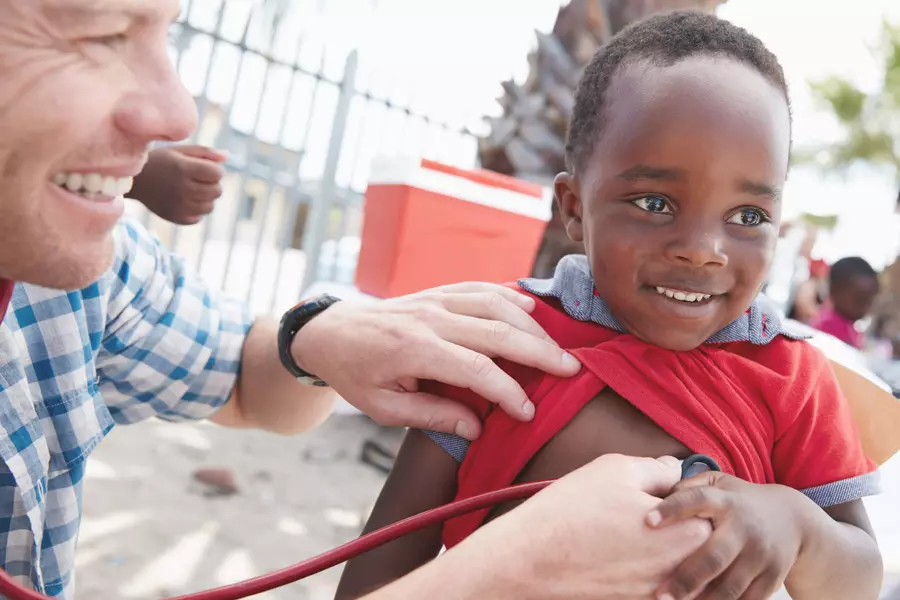
Children experiencing bereavement may benefit from stable relationships, suitable healthcare, emotional support, and adequate nutrition.
A responsible orphan welfare programme should therefore consider more than financial need alone.
3. What Are the Essential Needs of Orphaned Children?
Children’s needs vary according to their age, health, family situation, environment, and educational circumstances.
Responsible orphan care considers the child as a person with individual rights and aspirations rather than simply a recipient of charity.
Access to Education and Learning Resources
Educational support may include school fees, books, uniforms, stationery, transportation, or appropriate learning assistance.
The purpose is to help children participate in education without unnecessary financial barriers.
Adequate Nutrition and Food Security
Children need regular access to sufficient, appropriate food.
Household grocery support and suitable nutrition programmes can contribute to meeting these needs.
Healthcare and Essential Medical Services
Depending on individual circumstances, children may require medical examinations, vaccinations, treatment, or specialised services.
Healthcare assistance should be delivered according to professional advice and confirmed programme arrangements.
Safe Housing, Clothing and Hygiene
Appropriate living conditions, clothing, sanitation, and access to safe drinking water are important elements of child welfare.
Emotional Support and Social Inclusion
Children benefit from safe relationships, opportunities to participate in community life, appropriate educational environments, and protection from harmful stigma.
Protection From Abuse, Neglect and Exploitation
Safeguarding must remain central to any programme supporting children.
|
Child Welfare Need |
Potential Sponsorship Support |
|
Education |
School expenses and learning resources |
|
Nutrition |
Food and household assistance |
|
Healthcare |
Access to necessary medical services |
|
Essential living needs |
Clothing, housing-related assistance and hygiene |
|
Emotional well-being |
Supportive relationships and appropriate services |
|
Child protection |
Safeguarding and suitable referral mechanisms |
These are potential categories of assistance and are not necessarily included in every orphan sponsorship package.
4. How Does Orphan Sponsorship Work in Pakistan?
Orphan sponsorship programmes generally connect donor contributions with identified child welfare needs.
However, organisations differ in eligibility criteria, funding arrangements, services, and reporting systems.
Identifying Eligible Children and Families
An appropriate welfare assessment may consider parental loss, age, household circumstances, educational needs, existing caregivers, and available support.
Eligibility should be based on documented criteria and handled respectfully.
Individual Child Sponsorship
Some programmes associate a donor’s contribution with the welfare assistance provided to a particular child.
Such an arrangement does not give the donor unrestricted access to the child or confidential personal information.
Pooled Orphan Welfare Contributions
Other organisations combine contributions to support eligible children across a programme.
This model may allow funding to be allocated according to varying needs.
Donors may receive programme-level reports rather than individual child updates.
Family-Based Financial Assistance
Where children live with a surviving parent or another suitable caregiver, assistance may be delivered through appropriate household arrangements.
This can help meet essential needs without unnecessarily disrupting family relationships.
How Sponsorship Funds May Be Allocated
Depending on the programme, sponsorship may cover direct financial assistance, educational expenses, food, clothing, welfare services, and relevant delivery costs.
Donors should understand the actual arrangement before contributing.
A Responsible Sponsorship Process
A possible sponsorship model involves:
- Assessing the child’s and family’s circumstances.
- Reviewing programme eligibility.
- Establishing an appropriate support arrangement.
- Delivering the approved assistance.
- Reviewing welfare needs and programme delivery.
- Providing suitable, privacy-conscious reports.
This is an illustrative framework. Each organisation’s actual sponsorship process should be confirmed.
5. Monthly Orphan Sponsorship vs One-Time Donations
Different giving arrangements can support different welfare objectives.
Monthly sponsorship may help programmes plan for recurring expenses, while one-time donations can address immediate or specific needs.
How Monthly Orphan Sponsorship Works
Recurring contributions may help support ongoing educational expenses, nutrition, clothing, or essential household needs.
Predictable funding can assist programme planning, particularly when children require support over an extended period.
However, donors should understand exactly what the contribution covers.
When One-Time Donations Can Be Useful
One-time donations may support school supplies, seasonal clothing, emergency assistance, or broader welfare activities.
They remain valuable even when a donor cannot commit to recurring sponsorship.
Monthly vs Annual Sponsorship
Some organisations offer annual contributions covering an agreed support period.
Others accept monthly payments or pooled donations.
The available options depend on the programme.
|
Giving Model |
Potential Purpose |
Main Consideration |
|
Monthly sponsorship |
Recurring welfare expenses |
Financial commitment over time |
|
Annual sponsorship |
Support over an agreed period |
Confirm actual coverage |
|
One-time donation |
Immediate or specific needs |
May not provide continued assistance |
|
Education sponsorship |
Defined educational expenses |
Confirm covered services |
|
Pooled contribution |
Collective child welfare |
Reporting may be programme-level |
What Happens When a Sponsorship Ends?
Before beginning a recurring donation, ask how cancellation, changing eligibility, and transition arrangements are handled.
Choose a commitment that is appropriate to your financial circumstances.
Explore monthly orphan sponsorship options and confirm the current programme terms before deciding how to contribute.
100% Zakat & Sadaqah Eligible
Sponsor an Orphan Child in Pakistan with Dignity
Your monthly or annual sponsorship provides quality schooling, school supplies, uniform, primary healthcare, and nutritious food packages directly to orphaned children living with their mothers or guardians.
6. How Can Education Sponsorship Help Orphaned Children?
Education can provide children with knowledge, practical skills, confidence, and opportunities for future development.
However, financial difficulties and other structural barriers can interrupt school participation.
Pakistan’s Education Challenges: Facts and Statistics
The Pakistan Institute of Education’s Pakistan Education Statistics 2023–24, published in April 2025, estimates that 35% of children aged 5–16 were out of school.
UNICEF Pakistan’s education programme also highlights substantial geographical disparities.
|
Province or Territory |
Estimated Out-of-School Children |
Estimated Proportion |
|
Punjab |
9.7 million |
27% |
|
Sindh |
7.4 million |
44% |
|
Khyber Pakhtunkhwa |
4.5 million |
34% |
|
Balochistan |
3.5 million |
69% |
|
Islamabad Capital Territory |
90,000 |
15% |
Source: UNICEF Pakistan education programme page. Regional estimates are rounded and concern all children aged 5–16, not specifically orphaned children.
Supporting School Enrolment and Continued Attendance
Appropriate sponsorship may help reduce financial barriers that prevent children from entering or continuing education.
Depending on the circumstances, support may address school expenses, transport, books, or uniforms.
Supporting Girls’ Education and Equal Opportunities
Educational assistance should consider barriers experienced by girls, children with disabilities, and children living in underserved communities.
Support should respond to actual needs rather than assumptions about individual children.
Higher Education and Vocational Training
Older children and young people may benefit from continued education, vocational learning, or suitable skills-development opportunities.
These services should be described only where programmes actually provide them.
Measuring Educational Progress Responsibly
Paying school fees is an educational support output.
Continued attendance, retention, and learning progress are different outcomes requiring appropriate evidence.
UNICEF Pakistan’s 2025 annual report, published in June 2026, records approximately 729,000 children, adolescents, and young people accessing supported learning and skills opportunities.
This demonstrates the scale of educational interventions but should not be interpreted as an orphan-specific or Muavin programme result.
7. Why Are Nutrition and Healthcare Support Important?
Children’s development depends partly on access to appropriate nutrition, healthcare, and suitable living conditions.
Educational sponsorship alone may not address every welfare need.
Understanding Child Nutrition in Pakistan
The National Nutrition Survey 2018 documented significant nutrition challenges among Pakistani children under five.
|
Nutrition Indicator |
National Estimate — 2018 |
|
Stunting |
40.2% |
|
Wasting |
17.7% |
|
Underweight |
28.9% |
Stunting concerns low height relative to age, while wasting refers to low weight relative to height. Both indicators require appropriate interpretation.
These historical figures concern the general under-five population, not exclusively orphaned children.
Food Security and Essential Household Assistance
Food assistance can help households experiencing financial difficulties.
Relevant support may include groceries, appropriate nutritional assistance, and other resources aligned with children’s needs.
Access to Healthcare and Medical Support
Healthcare sponsorship may help cover appropriate medical services where included in an organisation’s programme.
Medical needs should be assessed by qualified professionals.
Recent Child Welfare Programme Results
The UNICEF Pakistan Annual Report 2025 reports:
- 304,000 children received treatment for severe acute malnutrition.
- 437,000 children were treated for pneumonia, diarrhoea, and other illnesses.
- 37.3 million children received vitamin A supplementation.
- 1.2 million people received support through water, sanitation, and hygiene services.
These figures describe UNICEF-supported programme activities during 2025.
Safe Drinking Water, Hygiene and Sanitation
Appropriate drinking-water, sanitation, and hygiene services are also relevant to children’s welfare.
Organisations offering broader family support may consider these needs alongside food and education assistance.
Muavin’s Monthly Grocery Support and Zulaal Waters initiatives are related programme areas that prospective donors may wish to explore separately.
8. Why Should Orphan Support Strengthen Families?
Responsible orphan welfare should recognise the importance of safe, stable, and supportive care relationships.
Helping an orphaned child does not necessarily mean placing the child in an orphanage.
Supporting Surviving Parents and Close Relatives
Many children who have lost a parent continue living with their surviving parent, grandparents, or other relatives.
Where these relationships are safe and suitable, appropriate financial assistance may help caregivers meet children’s needs.
The Importance of Stable Family Relationships
Children’s family relationships can contribute to emotional security, identity, continuity of care, and social development.
Welfare programmes should consider how assistance can support these relationships rather than disrupt them unnecessarily.
Family-Based Care vs Residential Care
UNICEF estimates that approximately two million children worldwide were living in residential care in 2025.
Its research also notes that many institutionalised children have surviving parents or relatives.
This demonstrates why residential care populations should not automatically be described as orphan populations.
|
Support Model |
Main Purpose |
|
Surviving-parent support |
Strengthening suitable existing household care |
|
Kinship care |
Supporting appropriate care by relatives |
|
Foster or alternative family care |
Providing suitable care where required |
|
Residential care |
Addressing specific care needs where necessary |
|
Education sponsorship |
Supporting learning within the child’s care setting |
Why Poverty Alone Should Not Separate Children From Families
The United Nations Guidelines for the Alternative Care of Children establish that financial hardship alone should not be sufficient justification for removing children from parental care.
Instead, appropriate family assistance should be considered.
When Alternative Care May Be Necessary
Some children may require alternative care when their existing circumstances are unsafe or suitable caregivers are unavailable.
Such decisions should involve appropriate professional assessment, safeguarding procedures, and applicable legal requirements.
The purpose of responsible orphan support should be to strengthen children’s welfare, not unnecessarily separate them from their families.
9. What Does Islam Teach About Caring for Orphans?
Islam places great importance on caring for orphans, protecting their rights, treating them with dignity, and safeguarding their property.
The Holy Qur’an and authentic Hadith provide clear guidance concerning compassion and responsibility towards orphaned children.
Improving the Circumstances of Orphans
Allah Almighty states:
وَيَسْأَلُونَكَ عَنِ الْيَتَامَىٰ قُلْ إِصْلَاحٌ لَهُمْ خَيْرٌ
English meaning: They ask you concerning orphans. Say that improving their circumstances is better.
The Holy Qur’an, Surah Al-Baqarah, 2:220 — excerpt.
This Qur’anic guidance encourages care that genuinely serves an orphan’s welfare.
Financial assistance should therefore be connected with responsible decisions and meaningful support.
Protecting the Dignity of Orphans
Allah Almighty commands:
فَأَمَّا الْيَتِيمَ فَلَا تَقْهَرْ
English meaning: Therefore, do not oppress the orphan.
The Holy Qur’an, Surah Al-Duha, 93:9.
This teaching reinforces the importance of respectful treatment.
Children should not be humiliated, exploited, or pressured into sharing painful personal experiences for fundraising purposes.
Protecting the Financial Rights of Orphans
Allah Almighty states:
وَآتُوا الْيَتَامَىٰ أَمْوَالَهُمْ
English meaning: Give the orphans their property.
The Holy Qur’an, Surah An-Nisa, 4:2 — excerpt.
Surah An-Nisa, 4:6, further provides guidance concerning the responsible management and return of orphan property when the relevant conditions are fulfilled.
Allah Almighty also warns:
إِنَّ الَّذِينَ يَأْكُلُونَ أَمْوَالَ الْيَتَامَىٰ ظُلْمًا إِنَّمَا يَأْكُلُونَ فِي بُطُونِهِمْ نَارًا وَسَيَصْلَوْنَ سَعِيرًا
English meaning: Those who unjustly consume the property of orphans are consuming fire into their bellies, and they will enter a blazing fire.
The Holy Qur’an, Surah An-Nisa, 4:10.
The protection of property belonging to orphaned children is a serious responsibility.
Welfare organisations should likewise manage entrusted charitable funds responsibly, according to their intended purposes.
Providing Food to Orphans and People in Need
Allah Almighty describes righteous people:
وَيُطْعِمُونَ الطَّعَامَ عَلَىٰ حُبِّهِ مِسْكِينًا وَيَتِيمًا وَأَسِيرًا
English meaning: They provide food, despite their love for it, to the needy, the orphan, and the captive.
The Holy Qur’an, Surah Al-Insan, 76:8.
This verse highlights practical generosity towards those requiring assistance.
The Virtue of Caring for an Orphan in Sahih al-Bukhari
Sayyiduna Sahl ibn Sa’d رضي الله عنه narrated that the Messenger of Allah ﷺ said:
أَنَا وَكَافِلُ الْيَتِيمِ فِي الْجَنَّةِ هَكَذَا
English meaning: I and the person who cares for an orphan will be together in Paradise like this.
The Prophet ﷺ indicated their closeness using his index and middle fingers.
Reference: Sahih al-Bukhari, Kitab al-Adab, Hadith 6005.
Caring for Related and Unrelated Orphans
Sayyiduna Abu Hurairah رضي الله عنه narrated that the Messenger of Allah ﷺ said:
كَافِلُ الْيَتِيمِ لَهُ أَوْ لِغَيْرِهِ أَنَا وَهُوَ كَهَاتَيْنِ فِي الْجَنَّةِ
English meaning: The person who cares for an orphan, whether related to them or not, will be close to me in Paradise like these two.
Reference: Sahih Muslim, Kitab al-Zuhd wa al-Raqa’iq, Hadith 2983.
These authentic narrations demonstrate the great virtue of genuine orphan care.
Understanding Kafalah in Islam
Kafalah involves taking responsibility for care and support within its applicable Islamic and legal context.
It can encompass financial assistance and concern for a child’s welfare.
However, purchasing a sponsorship package is not automatically equivalent to assuming every responsibility of a guardian or caregiver.
Islamic teachings encourage sincere, compassionate care while protecting children’s identity, dignity, property, and rights.
10. Can Zakat and Sadaqah Support Orphaned Children?
Both Zakat and Sadaqah can be important sources of welfare assistance. However, their requirements are different, particularly concerning recipient eligibility and the distribution of Zakat funds.
Understanding Zakat and Its Eligible Recipients
Allah Almighty states:
إِنَّمَا الصَّدَقَاتُ لِلْفُقَرَاءِ وَالْمَسَاكِينِ وَالْعَامِلِينَ عَلَيْهَا وَالْمُؤَلَّفَةِ قُلُوبُهُمْ وَفِي الرِّقَابِ وَالْغَارِمِينَ وَفِي سَبِيلِ اللَّهِ وَابْنِ السَّبِيلِ فَرِيضَةً مِنَ اللَّهِ وَاللَّهُ عَلِيمٌ حَكِيمٌ
English meaning: Obligatory charity is designated for the poor, the needy, those appointed to administer it, those whose hearts are to be reconciled, freeing people from bondage, eligible debtors, the cause of Allah, and the stranded traveller. This is an obligation prescribed by Allah, and Allah is All-Knowing, All-Wise.
The Holy Qur’an, Surah At-Tawbah, 9:60.
The verse identifies eight categories of Zakat recipients, whose practical application involves Islamic jurisprudential requirements.
Are All Orphans Eligible for Zakat?
No. Being an orphan does not automatically establish Zakat eligibility. An orphaned child may qualify for Zakat through poverty, need, or another applicable recipient category. Conversely, an orphan who possesses sufficient wealth or does not meet the relevant eligibility requirements may not qualify. The recipient’s actual circumstances must be assessed.
Understanding Tamlik in Hanafi Jurisprudence
An important requirement in Hanafi jurisprudence is Tamlik (تمليك), which concerns transferring ownership of Zakat to an eligible recipient.
According to established Hanafi scholarship, Zakat should not simply be allocated to a general charitable activity without satisfying the applicable distribution requirements.
For an eligible child, an appropriate guardian or authorised representative may be involved in receiving or administering funds according to valid Islamic arrangements.
The details depend on the child’s circumstances, the authority of the representative, and the actual sponsorship model.
Zakat vs Sadaqah for Orphan Support
|
Feature |
Sadaqah |
|
|
Nature |
Obligatory when conditions apply |
Voluntary |
|
Recipient eligibility |
Specific Islamic requirements |
Broader flexibility |
|
Orphan support |
Eligible recipients only |
Generally permitted |
|
Education expenses |
Subject to valid distribution arrangements |
May support educational costs |
|
General programme expenses |
Subject to applicable Zakat rules |
According to the charitable purpose |
|
Tamlik requirement |
Central to Hanafi Zakat distribution |
Depends on the form of assistance |
|
Monthly contributions |
Subject to correct intention and fulfilment of obligations |
Flexible recurring support |
Before donating Zakat through an orphan sponsorship programme, confirm its recipient eligibility checks, fund allocation, ownership arrangements, and scholarly oversight.
Support orphan welfare through charitable giving that respects both children’s needs and applicable Islamic requirements.
11. How to Choose a Responsible Orphan Welfare Charity
Selecting an appropriate child welfare charity requires more than reviewing fundraising advertisements or sponsorship prices.
Donors should evaluate the organisation’s identity, programme arrangements, safeguarding procedures, financial practices, and available evidence.
Verifying the Organisation’s Identity and Registration
Check whether the organisation provides a verifiable identity, official communication details, and relevant registration information.
In Pakistan, registration arrangements depend on the organisation’s legal structure and applicable jurisdiction.
Registration alone does not establish the effectiveness of every programme.
Reviewing Programme Eligibility
A responsible orphan welfare programme should have clear criteria explaining who qualifies for assistance and how needs are assessed.
Eligibility decisions should respect children’s dignity and avoid unnecessary public disclosure of sensitive information.
Understanding How Sponsorship Funds Are Used
Ask whether donations are assigned to a particular child, delivered through family assistance, or combined with other programme contributions.
Clarify which expenses are included and whether programme delivery costs are covered.
Checking Child Safeguarding Policies
A child welfare organisation should have appropriate measures for preventing, identifying, reporting, and responding to safeguarding concerns.
Donors can ask how published policies are implemented in practice.
Reviewing Financial Transparency and Reporting
Useful reporting may include programme expenditure, delivered assistance, eligibility processes, aggregated results, and relevant limitations.
Recognising Warning Signs
Unsupported beneficiary numbers, unclear sponsorship costs, questionable photographs, exaggerated outcomes, and pressure to donate deserve further examination.
For broader guidance on charity accountability, read our related article, Why Transparency Matters When Donating to Charity.
12. Why Child Safeguarding and Privacy Matter in Orphan Sponsorship
Child safeguarding is a fundamental responsibility of any organisation working with children.
Fundraising objectives should never take priority over children’s safety, rights, dignity, and well-being.
The Best Interests of the Child
The Convention on the Rights of the Child establishes the importance of children’s best interests, protection, privacy, education, and appropriate care.
These principles should guide welfare activities and public communication.
Informed Guardian Consent and Child Assent
Before photographing or interviewing a child, organisations should consider applicable consent requirements and the child’s own views according to their age and maturity.
Children should not feel that their assistance depends on agreeing to appear in fundraising material.
Permission does not remove the responsibility to assess whether publication could cause harm.
Responsible Use of Children’s Photographs and Videos
Images should accurately represent activities and respect the individuals shown.
Avoid staging distress, requesting photographs that humiliate children, or presenting another child’s image as an identified programme beneficiary.
Protecting Names, Addresses and Sensitive Information
Public communication should not unnecessarily disclose children’s home addresses, school locations, confidential records, medical circumstances, or private family histories.
Even anonymised information can present risks if a child remains identifiable through other details.
Appropriate Boundaries in Sponsor Communication
Financial sponsorship does not provide unrestricted personal access to a child.
Any communication, correspondence, or visits should follow the organisation’s verified safeguarding procedures.
Preventing Exploitative Fundraising
UNICEF’s Ethical Reporting Guidelines provide a useful framework for respectful communication involving children.
Organisations should evaluate possible harms before publishing images or stories and provide alternatives that protect privacy.
|
Responsible Practice |
Practice to Avoid |
|
Appropriate consent and assent |
Photography without permission |
|
Respectful, accurate descriptions |
Staged distress or humiliation |
|
Confidential records |
Public disclosure of private circumstances |
|
Approved communication arrangements |
Unrestricted donor-to-child contact |
|
Safeguarded programme reporting |
Unnecessary identification of beneficiaries |
|
Respect for a child’s wishes |
Pressure to participate in fundraising |
Reporting Safeguarding Concerns
Organisations should establish appropriate channels for raising concerns, reviewing incidents, and arranging suitable responses.
Donors should understand that child protection may legitimately limit the information available to them.
Responsible sponsorship protects children first. Donor reporting must never compromise their safety or dignity.
13. How Can Donors Track Orphan Sponsorship Contributions?
Donation transparency is important, but sponsorship reporting involving children requires special consideration.
The purpose of reporting is to explain how assistance was delivered, not to expose children’s private lives.
Keeping Donation Receipts and Sponsorship Records
Retain the donation amount, date, organisation name, transaction reference, and selected programme.
These records can help the organisation identify your contribution if a follow-up is needed.
Understanding Individual and Programme-Level Reporting
Some charities may provide appropriately safeguarded information associated with individual sponsorship.
Others provide aggregated programme reports.
The availability of each reporting model depends on the programme’s actual procedures.
What Information Can Responsibly Be Shared With Donors?
Relevant information may include educational assistance delivered, food support provided, programme participation, and appropriate financial or activity records.
Confidential case histories, identifiable medical records, or sensitive family information should not be disclosed unnecessarily.
Measuring Outputs vs Child Development Outcomes
A financial contribution or delivered resource is not automatically evidence of a long-term improvement.
|
Support Area |
Output |
Possible Outcome Requiring Evidence |
|
Education |
Learning expenses funded |
Continued school participation |
|
Nutrition |
Food assistance provided |
Improved nutritional status |
|
Healthcare |
Medical support funded |
Assessed health improvements |
|
Family support |
Caregiver assistance delivered |
Greater household stability |
|
Child protection |
Protection services provided |
Improved safeguarding outcomes |
Outcomes should be assessed through appropriate methods rather than assumed.
Requesting Updates Through Official Channels
Use the charity’s confirmed communication channels to request relevant information.
Respect restrictions intended to protect children and avoid contacting beneficiaries directly outside approved arrangements.
For more practical guidance, read our related article, How to Track Your Charity Donation’s Impact.
14. How Can Overseas Pakistanis Support Orphans?
Overseas Pakistanis living in the UK, USA, Canada, Europe, Saudi Arabia, the UAE, and other countries may wish to support child welfare programmes in Pakistan.
Distance does not prevent responsible giving, but it makes verified communication and accurate records particularly important.
Choosing a Genuine Pakistan-Based Welfare Organisation
Verify the organisation’s identity, official donation channels, programme details, and available reporting arrangements.
Avoid transferring money through unverified individuals claiming to represent a charity.
Monthly Sponsorship From Abroad
Where recurring contributions are available, donors should confirm the payment frequency, currency, programme coverage, and cancellation arrangements.
Choose a contribution that fits your financial circumstances.
International Donation Records and Receipts
Retain payment confirmations and relevant transaction references.
International transfers may involve currency conversion or intermediary charges, so confirm the amount received where necessary.
Requesting Ethical Sponsorship Updates Remotely
Ask for appropriate programme information through official channels.
Do not assume that sponsorship includes direct access to children, photographs, personal contact details, or private records.
Sending Zakat and Sadaqah From Overseas
Overseas donors should verify the charity’s Zakat distribution procedures before designating their contributions as Zakat.
Sadaqah may offer broader flexibility for supporting approved welfare needs.
Any international tax treatment should be confirmed independently according to the donor’s jurisdiction and the organisation’s actual registration status.
15. Ten Questions to Ask Before Sponsoring an Orphan
Before beginning an orphan sponsorship commitment, consider the programme’s suitability, financial arrangements, child safeguarding measures, and accountability practices.
Questions About Eligibility and Sponsorship Costs
Understand how children are selected, what the contribution includes, and whether partial or recurring options are available.
Questions About Education, Care and Essential Needs
Confirm whether the programme supports education, food, clothing, healthcare, or other specified welfare requirements.
Questions About Child Protection and Reporting
Consider how children are safeguarded and what programme information can appropriately be shared.
Responsible Orphan Sponsorship Checklist
- Can I verify the organisation’s identity and legal registration?
- How are eligible children and families selected?
- What is the confirmed monthly or annual sponsorship amount?
- Which services and expenses does sponsorship cover?
- Does the programme consider safe family-based care where appropriate?
- Which child safeguarding procedures are implemented?
- How does the organisation protect consent and personal information?
- Is the Zakat distribution process verified, if applicable?
- What meaningful programme reports are available?
- What happens if the sponsorship ends or the child’s needs change?
This checklist is a practical evaluation tool rather than an official certification standard.
Donors should seek clarification where important programme information is missing.
An informed sponsorship decision begins with understanding what support will be delivered and how the child’s welfare will remain protected.
16. Muavin Welfare Foundation’s Orphan Sponsorship Programme
Muavin Welfare Foundation includes orphan welfare within its publicly described family support initiatives.
Its published programme information describes structured assistance covering food, clothing, educational fees, and essential living expenses.
The organisation identifies several support categories, allowing prospective donors to enquire about contributions according to their preferred charitable objectives.
Monthly Orphan Care and Sponsorship
Monthly sponsorship is intended to address recurring welfare needs according to the programme’s confirmed arrangements.
Before starting a sponsorship, donors should enquire about eligibility, contribution amounts, covered services, and the intended support period.
Supporting Children’s Education
Muavin’s published programme information includes Education Fee Sponsorship.
Prospective donors can ask which educational expenses are covered and how assistance is allocated.
Food, Clothing and Essential Living Assistance
The publicly described programme also includes food support, clothing assistance, and essential living expense support.
The exact contents, funding requirements, and delivery arrangements should be confirmed directly.
Muavin’s Published Orphan Support Categories
|
Programme Category |
Published Area of Support |
|
Monthly Food Support |
Food-related assistance |
|
Clothing Assistance |
Essential clothing |
|
Education Fee Sponsorship |
Educational expenses |
|
Living Expense Support |
Essential living costs |
|
Complete Care Package |
Combined welfare assistance |
These categories reflect the organisation’s published descriptions. Current package details, individual eligibility, and particular delivery arrangements should be confirmed before making a contribution.
Supporting Families and Appropriate Caregivers
Responsible orphan support should consider children’s existing care relationships and individual circumstances.
Donors interested in family-based assistance can ask how Muavin identifies eligible recipients and delivers support through its actual programme arrangements.
Child Safeguarding and Responsible Reporting
Prospective sponsors should enquire about the organisation’s safeguarding measures, privacy procedures, available programme reports, and appropriate donor communication arrangements.
Where Zakat is intended, donors should also confirm the programme’s Islamic eligibility and distribution process.
How to Enquire About Orphan Sponsorship
To learn about current monthly sponsorship costs, partial contributions, one-time assistance, or education-specific sponsorship, contact Muavin Welfare Foundation through its verified official channels.
Enquire About Orphan Sponsorship
Help support children’s education, essential needs, dignity, and opportunities for development through informed charitable giving.
Visit Muavin Welfare Foundation to review its programme information and available contact options.
17. Frequently Asked Questions About Orphan Sponsorship
1. What is orphan sponsorship in Pakistan?
Orphan sponsorship is structured financial or material assistance intended to support eligible orphaned children’s welfare. Depending on the organisation, it may contribute towards educational expenses, food, clothing, healthcare, or other essential needs. Sponsorship models and eligibility criteria differ between programmes.
2. How can I sponsor an orphan in Pakistan responsibly?
Choose a verifiable child welfare organisation, understand its sponsorship arrangements, confirm how contributions are allocated, and review its safeguarding procedures. Select an affordable giving commitment and respect children’s privacy. Ask what assistance and appropriate programme reports are available.
3. How much does monthly orphan sponsorship cost in Pakistan?
Monthly sponsorship costs vary according to the organisation, geographical location, services included, and child’s circumstances. There is no universal sponsorship amount. Confirm the current package directly with the charity before donating, particularly if it describes the contribution as complete monthly support.
4. What does an orphan sponsorship programme usually cover?
Potential coverage includes educational expenses, nutrition, clothing, healthcare, and essential household needs. Some programmes provide comprehensive assistance, while others focus on particular expenses. Always verify the actual services included rather than assuming that every sponsorship covers all welfare needs.
5. Can I sponsor an orphan’s education only?
Yes, some organisations offer designated educational sponsorship. This may cover school fees, books, uniforms, transport, or learning resources. The availability and scope depend on the charity. Muavin’s published programme information includes Education Fee Sponsorship, whose current terms should be confirmed.
6. Can I support an orphan with a one-time donation?
Yes, where the organisation accepts one-time contributions. These donations may support specific welfare expenses, seasonal assistance, education materials, or broader programme activities. Regular sponsorship is valuable for ongoing needs, but a one-time donation can also provide meaningful assistance.
7. What is the difference between orphan sponsorship and adoption?
Orphan sponsorship provides financial or material welfare assistance. Adoption, guardianship, and other formal care arrangements involve separate legal responsibilities and procedures. Making a charitable contribution does not automatically give the donor parental rights, custody, or authority over a child.
8. Does supporting an orphan mean the child must live in an orphanage?
No. Children may receive assistance while living with a surviving parent, relatives, or another appropriate caregiver. Responsible welfare programmes should consider safe family-based care and avoid unnecessary separation. Residential care may be appropriate in particular circumstances following suitable assessment.
9. What does Islam say about caring for orphans?
Islam strongly encourages compassion and responsible care for orphans. The Qur’an emphasises improving their welfare, protecting their property, and treating them with dignity. Relevant verses include Al-Baqarah 2:220, An-Nisa 4:2–10, and Al-Duha 93:9.
10. What is the authentic Hadith about sponsoring an orphan?
In Sahih al-Bukhari, Hadith 6005, the Prophet Muhammad ﷺ describes the closeness in Paradise of the person who cares for an orphan. Sahih Muslim, Hadith 2983, also describes this virtue whether the orphan is related to the caregiver or not.
11. Can I give Zakat to an orphan?
Yes, if the orphan satisfies applicable Zakat eligibility requirements and the contribution is distributed correctly. Orphanhood alone does not establish eligibility. Under Hanafi jurisprudence, the ownership and distribution requirements, including Tamlik, must also be considered.
12. Can Zakat be used to pay an orphan’s school fees?
It may be permissible where the recipient qualifies and a valid Zakat distribution arrangement is established. Under Hanafi jurisprudence, direct payment to a school does not automatically fulfil Tamlik. Appropriate ownership, guardianship, or authorised agency arrangements should be reviewed by a qualified scholar.
13. Can I give Sadaqah for orphan sponsorship?
Yes. Voluntary Sadaqah can generally support appropriate orphan welfare activities, including education, nutrition, and essential living expenses. It offers broader flexibility than Zakat, although designated donations should still be used according to their intended charitable purpose.
14. Is monthly orphan sponsorship considered Sadaqah Jariyah?
Not automatically. Monthly sponsorship is recurring charitable giving, while Sadaqah Jariyah refers to charity that provides continuing benefit. The classification depends on the nature of the assistance and its ongoing benefit. Ordinary recurring Sadaqah remains a valuable form of charity.
15. How can I verify a trustworthy orphan welfare charity?
Review the organisation’s identity, registration, eligibility criteria, financial practices, sponsorship terms, and child safeguarding arrangements. Ask about available programme evidence and reporting limitations. Be cautious of exaggerated outcomes, unclear costs, intrusive child photography, and unsupported claims.
16. Can I receive updates about the child or programme I sponsor?
You may receive updates according to the organisation’s confirmed reporting procedures. Some programmes provide safeguarded individual information, while others report aggregated results. Sponsorship does not create an automatic right to confidential child records or identifying information.
17. Why is child privacy important in orphan sponsorship?
Privacy helps protect children from harm, stigma, exploitation, and inappropriate contact. Responsible organisations should use suitable consent procedures, safeguard confidential information, and avoid disclosing details that could create risks. Donor accountability should never override a child’s safety and dignity.
18. Can overseas Pakistanis sponsor orphans in Pakistan?
Yes, where the organisation accepts overseas contributions. Donors should verify official payment channels, retain transaction records, confirm sponsorship terms, and use approved communication arrangements. International contribution methods and any applicable tax treatment should be checked separately.
19. What happens if I can no longer continue my monthly sponsorship?
The outcome depends on the organisation’s cancellation and transition procedures. Contact the charity through its official channels and ask how changes are managed. Before beginning recurring sponsorship, understand the commitment and choose an amount you can reasonably maintain.
20. How can I enquire about Muavin’s Orphan Sponsorship Programme?
Visit Muavin Welfare Foundation’s official programme website at muavin.org and use its verified contact options. Ask about current sponsorship costs, eligibility, available services, contribution methods, safeguarding arrangements, and Zakat distribution procedures if relevant.
18. Conclusion: Support Children With Dignity
Responsible orphan sponsorship in Pakistan is about more than meeting an immediate financial need. It involves understanding children’s circumstances, supporting appropriate education and essential welfare, protecting their dignity, and strengthening safe care relationships.
Islam encourages genuine compassion towards orphans while emphasising the protection of their rights and property.
Modern child welfare principles reinforce the importance of safeguarding, privacy, meaningful participation, and family-based care wherever appropriate.
For donors, these principles can guide decisions about monthly sponsorship, one-time assistance, Zakat, and Sadaqah.
Muavin Welfare Foundation’s publicly described orphan sponsorship programme offers different areas of welfare support to explore. Prospective donors should confirm current package details, programme eligibility, and applicable reporting arrangements before contributing.
Every child deserves more than temporary assistance. Responsible giving should place children’s dignity, safety, welfare, and opportunities for development at the centre of every decision.
Visit Muavin Welfare to enquire about its Orphan Sponsorship Programme and available ways to contribute.